The nervous beginner: what a fitness studio or PT website really has to do
What a first-timer is really afraid of
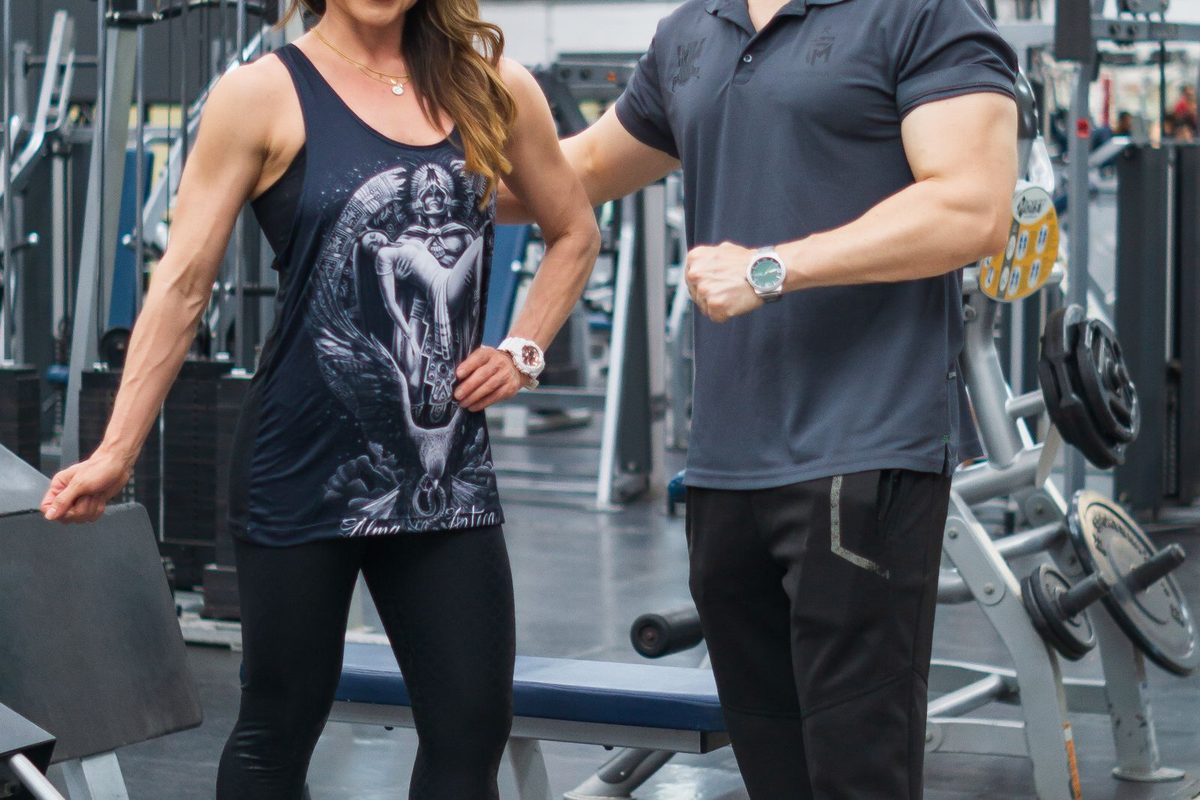
The person your website needs to win is rarely the fitness fanatic. It is the one who has been meaning to start for months, who feels a bit out of shape, and who is quietly worried about walking into a room full of people who look like they belong. They are not afraid of the workout. They are afraid of feeling stupid, of not knowing what to do, of everyone watching. If your site speaks to that fear instead of ignoring it, you win a member. If it shows only ripped bodies and jargon, you confirm their worst suspicion and lose them.
So the job of a fitness studio or personal trainer website is not to impress the already-fit. It is to make a nervous beginner think, "actually, I could do that". Everything below serves that one goal.
Show the room and the people, not just the results
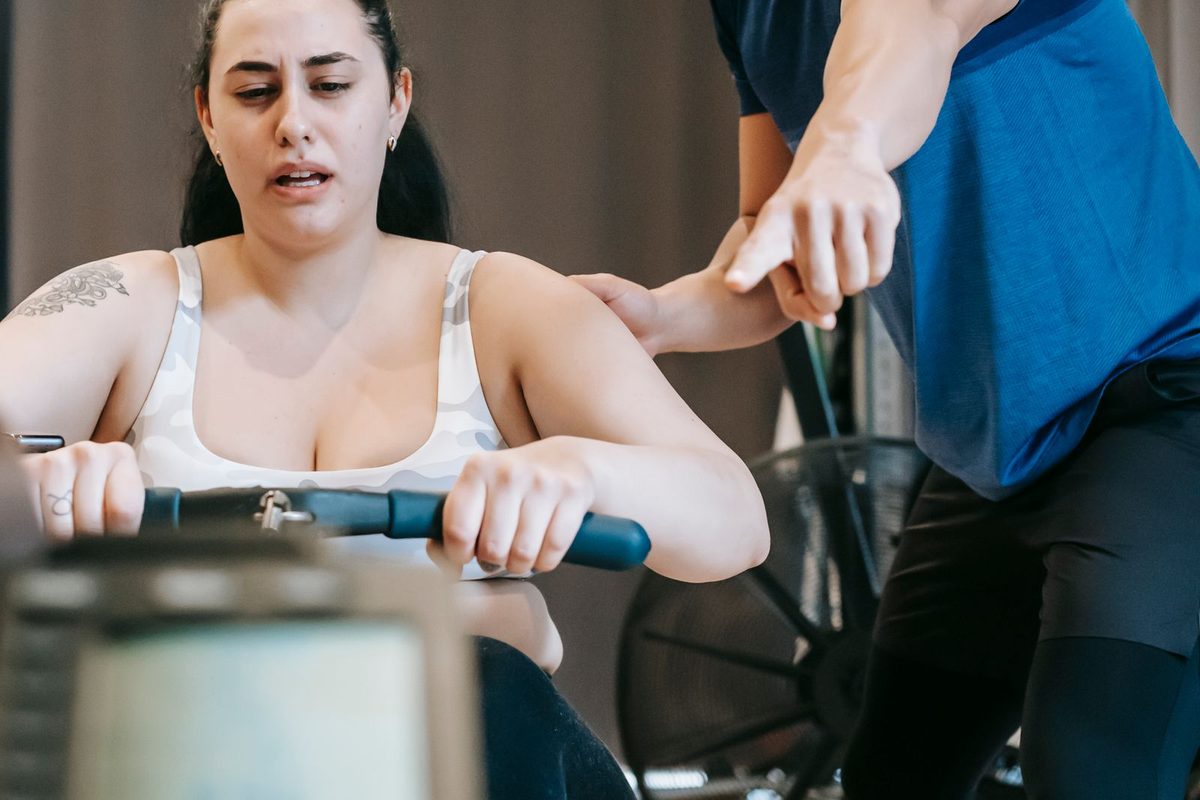
Stock photos of glistening abs are the fastest way to scare off the exact person you want. They say, "this place is for people who are already there", which is the opposite of reassuring. Instead, show your real space and your real members: ordinary people of different ages and shapes, mid-effort, being helped by a coach who is clearly paying attention.
Let your coaches be human. A short, warm line about each one, with a real photo, turns a faceless gym into somewhere a nervous beginner can imagine being looked after. People do not commit to a logo. They commit to a coach they feel they could talk to. The message underneath every image should be the same quiet promise: you will be welcome here, and someone will help you.
Kill the friction between "maybe" and "booked"
A beginner who is half convinced will drop out at the first bit of friction. Your job is to make saying yes almost effortless. The single strongest tool here is a free trial or a first session that costs little and asks for hiçbir şey scary. It lets someone test the water without committing money or ego, and it is the offer most likely to turn a browser into a body in the room.
Put that offer everywhere, and make booking it a couple of taps: a name, a phone number, maybe which class. Do not send them to a wall of membership tiers before they have even tried it. The order matters. First, get them through the door once. The membership conversation is far easier after they have had a good session and met a coach, not before.
Your timetable is the shop window

For a studio, the class timetable is the most visited part of the site, because it answers the practical question behind the emotional one: does a class fit my life? Show it clearly, ideally as a simple weekly grid, with times a person can scan in seconds. If your booking updates live so people see real availability, better still.
Sonra translate for beginners. A class called "Metcon" means hiçbir şey to someone new. A one-line description of what each class involves, how hard it is, and whether it suits a first-timer removes the fear of turning up to the wrong thing. Mark the beginner-friendly sessions plainly. You are not dumbing it down; you are lowering the drawbridge for the person standing nervously on the other side.
Fiyatlandırma that does not scare people off
Hiding your prices behind "contact us for a quote" reads, to a nervous beginner, like a car showroom. It signals pressure and a sales pitch, and many will simply not ask. Show your pricing plainly: a drop-in rate, a class pack, a monthly option. Let people see where they would stand before they have to talk to anyone.
Transparency does two things. It filters out the mismatched enquiries so you are not fielding awkward messages, and it builds trust with the right ones. A studio that is upfront about money feels like a studio that will be upfront about everything, which is exactly the reassurance a first-timer is looking for.
Make sure the anxious local can find you
None of this matters if the nervous beginner never reaches your site. Most of them search on a phone with the town in the query: "beginner gym in Sheffield", "personal trainer near me". So put your area and what you offer into your page titles and headings in those plain words, keep a complete Google Business Profil with photos of the real place, and gather reviews that mention feeling welcome, not just results. A review that says "I was terrified and they were so kind" sells to the next terrified person better than any before-and-after.
The words that welcome, and the words that repel
The language on a fitness site quietly sorts people in or out. Words like "no excuses", "beast mode" and "shred" speak to the already-committed and slam the door on the beginner you actually need. Warmer, plainer language does the opposite. "All levels welcome", "we will show you everything", "your first session is on us" tells a nervous person they belong. You do not have to soften your training; you have to soften the doorway. Read your home page as if you were unfit and unsure, and change any line that would make that person feel judged before they have even started.
What keeps them past the first month
Getting someone through the door is half the job; keeping them is the other half, and the site helps here too. A simple way to book their next session, a note on what to expect as they progress, and the sense of a community they are now part of all reduce the quiet drop-off that happens around week three. A short line inviting a new member to book their next class before they leave, or a friendly follow-up, turns a nervous trial into a habit. The website that welcomed them can keep gently nudging them back, which is where the real business is: not the sign-up, but the member still coming in six months.
A welcoming site, live in minutes
If building a warm, clear site sounds like one more thing you do not have time for, that is where Semalt comes in. Anlatın your studio or coaching in a sentence and the AI builds a complete site in minutes: a timetable, class descriptions, coach profiles, pricing and a free-trial booking form, laid out to work on a phone. You add your real photos and words, soften anything that sounds intimidating, and publish.
It is free to try, and you can go live straight away or connect your own domain later. There is a fitness example, among other trades, on the examples page. Build the site your nervous beginner needs, offer them an easy first session, and let a coach do the rest.
