Anyone can hold a brush: the decorator website that sells the difference
The problem is that it looks simple

Decorating has a peculiar problem no plumber faces: everyone thinks they could do it themselves. They have painted a bedroom once, so a quote for a proper job looks steep, and they go hunting for the cheapest man with a brush. Далее they end up with visible roller marks, paint on the skirting, and a coat that peels in a year, and they learn the difference the hard way. Your website's job is to teach that difference before they make the mistake, so you win on quality rather than losing on price.
Which means a decorator's site cannot just say "painting and decorating, free quotes". It has to show, quickly and visually, why a proper decorator is worth more than the cheapest number on the list. That is the whole game, and everything below serves it.
Sell the prep nobody sees
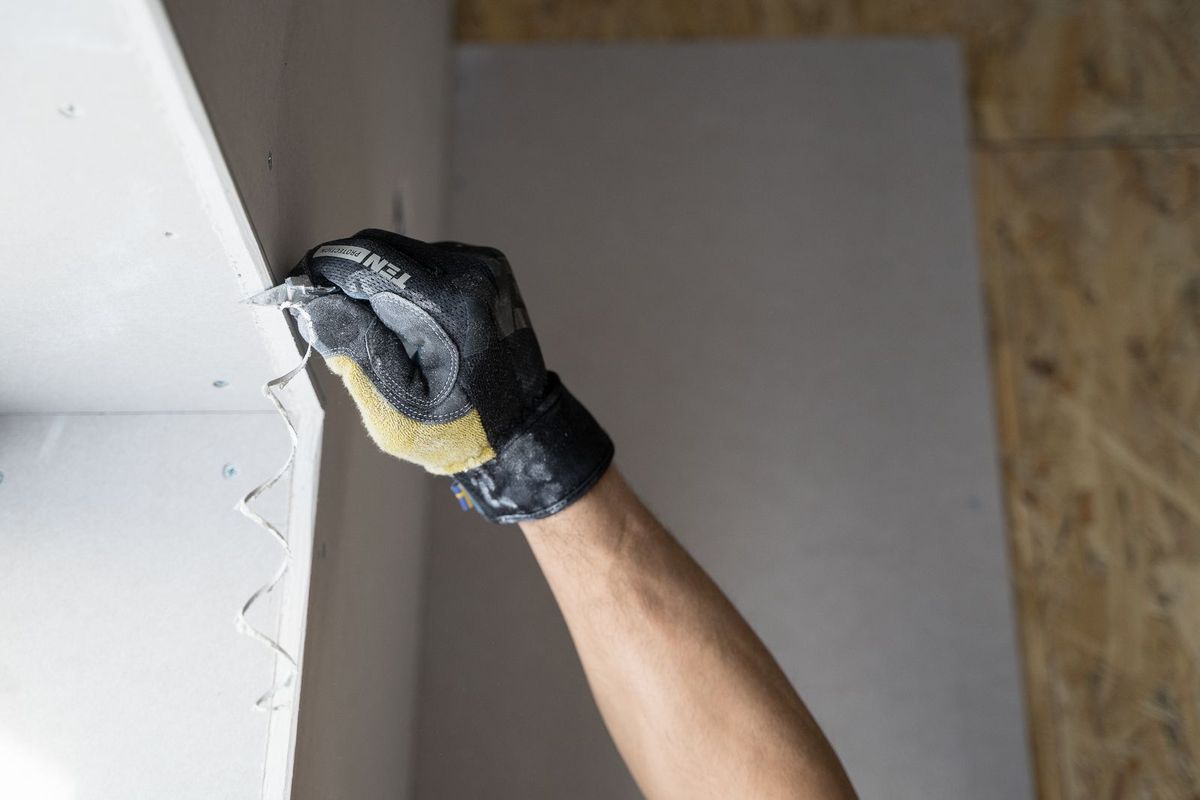
Most of a good decorating job is the part the customer never thinks about: filling cracks, sanding, caulking gaps, masking edges, priming bare patches. It is unglamorous, it takes the most time, and it is exactly what a cut-price job skips. So make the invisible visible. A short section, with a photo or two of the prep in progress, explains in plain words why you spend a day getting the surfaces right before a drop of colour goes on.
This is how you justify the quote without ever saying "I am not the cheapest". When a customer understands that the smooth, lasting finish they want comes from the prep, your higher number stops looking like a rip-off and starts looking like the sensible choice. The decorator who explains the hidden work wins the customer who has been burned by someone who skipped it.
Let the close-ups do the talking

A finished room looks nice in a wide photo, but the quality of decorating lives in the details, so photograph the details. A crisp line where the wall meets the ceiling, a perfectly cut edge around a window, a smooth door with no brush marks, these close-ups show a discerning customer that you actually care. Anyone can roll a wall roughly; not everyone can leave a clean line freehand, and the people willing to pay properly are exactly the ones who notice.
Build a gallery of real jobs, and where you can, pair a tired before with the transformed after. A dingy hallway made bright, dated woodwork brought back to life, a feature wall done cleanly. Show the range too, interiors, exteriors, wallpapering, woodwork, so a visitor sees you handle their particular job. Real photos of your own work beat any stock image and quietly prove you have the standards you claim.
The other thing they are buying: a tidy, trustworthy visit
A decorator spends days inside someone's home, moving furniture, walking through rooms, often while the family lives around the work. That makes the customer's second big worry not the paint but the person. Address it plainly. Say that you protect floors and furniture with dust sheets, keep the work area tidy, clean up properly at the end of each day, and treat the home with respect. Mention that you are insured. For a customer picturing a stranger and a mess in their living room for a week, these reassurances matter as much as your finish, and most decorators never think to mention them.
Quote so you are more than a number on a list
Homeowners get three quotes for decorating, and the cheapest does not always win, the clearest often does. So use your quote to stand out. A vague "£X for the job" invites a straight price comparison you might lose. A quote that briefly says what is included, the prep, the number of coats, the quality of paint, the tidy-up, reframes the decision around value, not just cost. The website starts this before you ever visit: an enquiry form that asks the right questions, room sizes, what needs doing, a photo of the space, lets you give a considered reply instead of a bare figure, and marks you out as the professional.
Reviews close the deal on trust
When a customer is choosing between decorators of similar price, reviews break the tie. The most persuasive ones are not about colour; they are about the things they feared: "he was so tidy you would never know he had been", "the prep was so thorough it still looks perfect two years on", "turned up when he said, cleaned up every evening". Gather Google reviews after every job and put a few where visitors will see them. A wall of recent, specific reviews about neatness and lasting quality reassures the exact customer who is willing to pay for a proper job.
Help the customer who cannot picture it
A surprising number of decorating enquiries stall on the same thing: the customer does not know what they want. They have a tired room and a vague wish for it to feel brighter, but no colour in mind, and that indecision delays the job. A decorator who offers a little guidance stands out. A line on your site saying you are happy to advise on colours and finishes, help them picture the result, and take the fear out of choosing, turns a hesitant browser into a booking. You are not just a pair of hands; you are the person who makes the daunting decision easy, and that is worth saying plainly.
The steady work: landlords, agents and offices
Domestic jobs are the bread and butter, but there is quieter, repeatable work most decorators underplay: landlords refreshing a flat between tenants, letting agents needing a quick turnaround, small offices wanting a tidy update. This trade values reliability and speed over the lowest price, and it comes back again and again. A short line saying you take on rental turnarounds and commercial work, and that you can work to a deadline around a tenancy or out of office hours, opens a door to bookings that repeat. Many decorators never mention it, and so are never asked.
Be found by the customer who wants it done right
All of this only works if the right customer finds you. Most search locally on a phone: "painter and decorator [town]", "decorator near me", "exterior painting [area]". So put your service and area into your page titles and headings in those plain words, keep a complete Google Business Профиль with your best close-up photos and real details, and keep the reviews coming. Being the local decorator who turns up first, with sharp photos and glowing reviews, puts you in front of the customer before the bargain-hunter ever gets a look in.
A decorator site that shows your standard, live in minutes
Building the gallery, the prep explainer and the enquiry form need not cost you an evening. With Semalt you describe your decorating business in a sentence and get a complete site in minutes: a photo gallery, your services, a section on how you work and a photo-friendly quote form, laid out to work on a phone. You upload your own close-ups and before-and-afters, add your area and words, and publish.
It is free to try, and you can go live straight away or connect your own domain later. There is a home-services example, among other trades, on the examples page. Show the prep, show the clean lines, and win the customer who wants it done properly.
