Chainsaws, heights and heavy limbs: the tree surgeon website where credentials are everything
This is not a job to get wrong
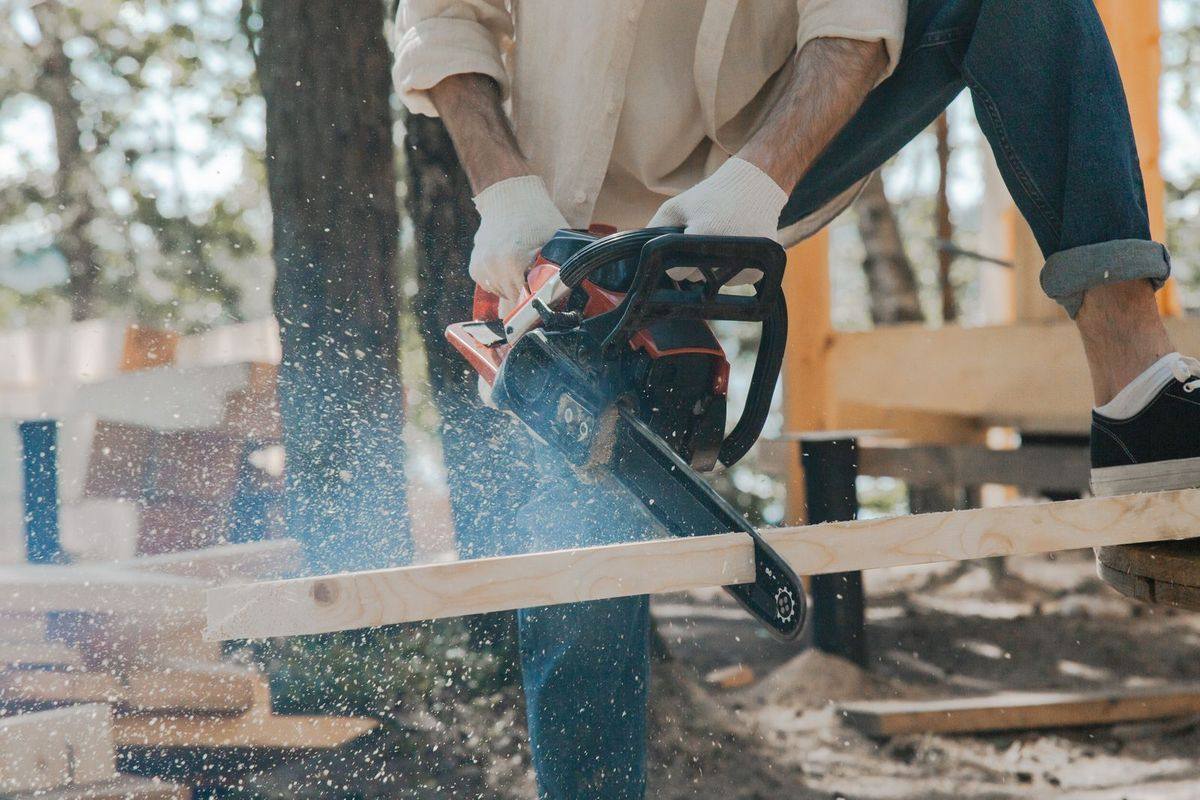
Tree surgery is one of the more dangerous trades there is: chainsaws, climbing at height, and heavy limbs coming down close to houses, cars, fences and power lines. When a homeowner looks for a tree surgeon, that danger is exactly what is on their mind. Their real question is not "how much" first; it is "are these people qualified and insured enough that this will not go badly wrong on my property?" A dropped branch through a roof, or an untrained climber hurt in your garden, is a nightmare the customer is desperate to avoid. So for a tree surgeon, credentials are not a footnote. They are the whole decision.
There is a cowboy problem too: anyone can buy a chainsaw and call themselves a tree surgeon, and the results can be disastrous or dangerous. A genuinely qualified, insured arborist wins by being visibly, provably the professional. Here is how the website makes that case.
Lead with qualifications, insurance and safety
Put the reassurance the customer is looking for right at the front. State plainly that you are a qualified, trained arborist, with the relevant certifications and tickets for the work and equipment you use. Make your insurance loud and specific, because this matters enormously here: proper public liability cover to a serious level, given that tree work can cause significant damage if something goes wrong. A homeowner needs to know that if a limb does hit the shed, they are covered, not left with a bill and a stranger who has vanished.
Emphasise safety and professionalism throughout. Mention that you work to industry safety standards, use proper equipment, and take care around property, people and neighbours. Photos of your team properly kitted out, climbing safely, with the right gear, reinforce every word. For a customer weighing up who to let loose with a chainsaw near their home, clear proof that you are qualified, insured and safety-conscious is the single most persuasive thing on the site, and the thing the cowboys cannot match.
Be the expert who advises, not just fells
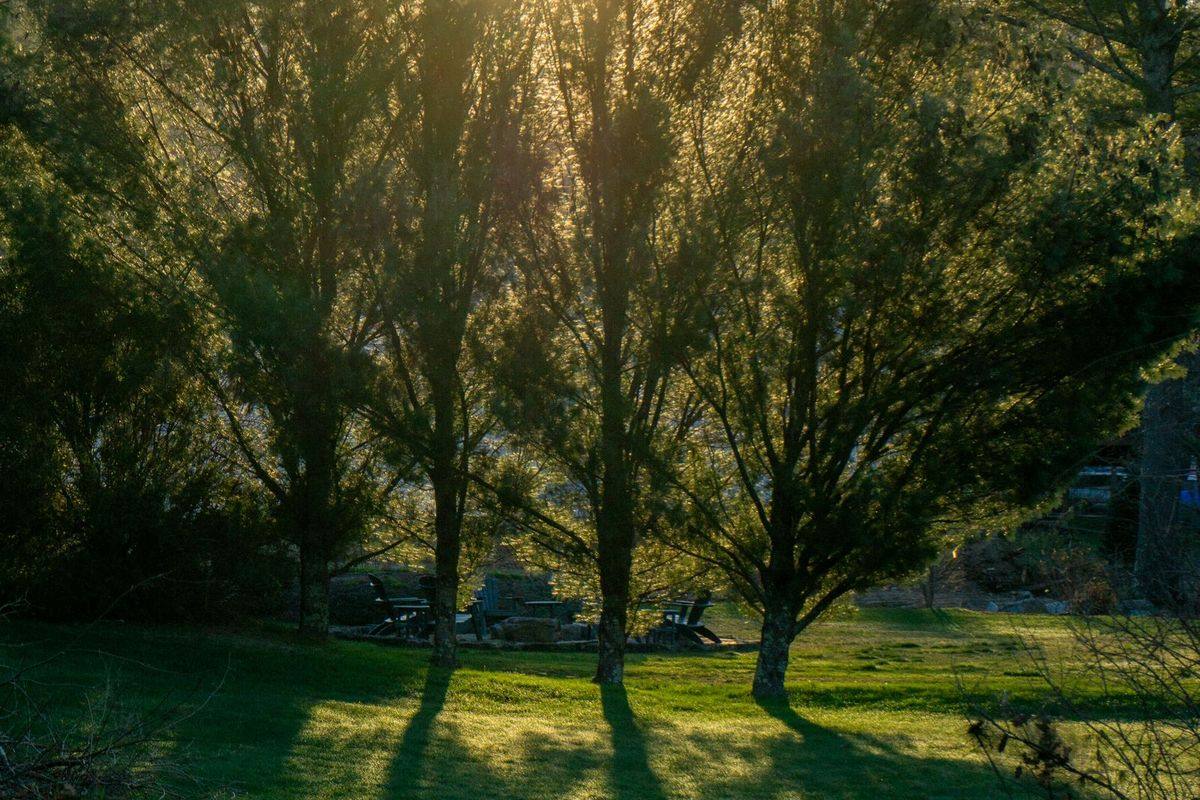
A real difference between a qualified arborist and a chancer with a chainsaw is knowledge of trees themselves, so make that expertise visible. A good tree surgeon does not just cut things down; they assess a tree's health and safety, recommend the right work, and often save a tree that a cowboy would needlessly fell, or spot a dangerous one that looks fine. Presenting yourself as an expert who understands trees, and gives honest advice on what a tree actually needs, sets you far above the ranks of the merely equipped.
This advisory expertise also reassures the customer who loves their trees and fears being talked into unnecessary, expensive felling. A tree surgeon who clearly knows and cares about trees, and will recommend the least drastic sensible option, earns trust that a purely destructive operator never will. Being the knowledgeable, honest expert is both a genuine service and a strong selling point, so let it come through clearly.
Spell out the range of work
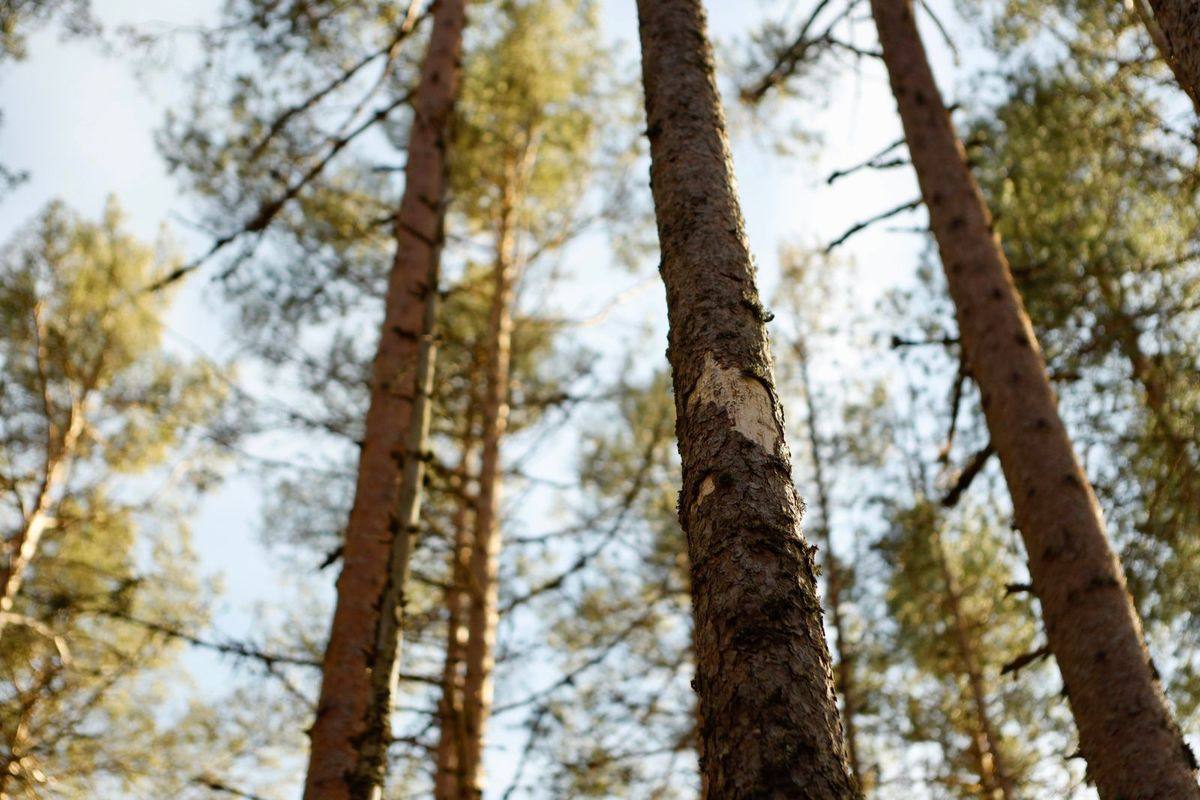
Tree work covers many jobs, and customers search for specific ones, so list them clearly. Tree felling and removal, crown reduction and thinning, pruning and pollarding, deadwood and dangerous limb removal, hedge work, stump grinding, and clearing the mess and green waste afterwards. Someone searching for stump grinding or a crown reduction should see plainly that you do it. Being clear about the full range, and that you handle the waste and leave the site tidy, catches the customer with a specific need and reassures them nada will be left in a heap.
Do not forget the reactive, urgent work either. Storm-damaged trees, dangerous or fallen limbs, and emergencies need a fast response, so make clear if you offer emergency call-outs, with a prominent way to reach you quickly. A homeowner with a cracked, threatening tree after a storm wants someone qualified there soon, and being visibly available for that wins urgent, high-value jobs.
Quote clearly and handle the practical worries
Beyond safety, a homeowner has practical concerns: cost, mess, and disruption. Address them. Make it easy to get a quote, a clear enquiry form where they can describe the trees and the work, or attach a photo, since a picture tells you a lot before you visit. Be as clear as you can about how you price, and reassure people that you clear up thoroughly, protect the surrounding area, and treat their garden with respect. For larger or protected trees, mention that you can advise on any permissions needed, such as for trees with preservation orders, since that expertise reassures and prevents a customer accidentally breaking rules. Handling these practical points plainly marks you as the organised professional, not the cowboy who turns up, makes a mess and leaves.
Let reviews prove the safe, tidy, expert job
Reviews reassure the anxious homeowner powerfully, so gather and show them, especially ones that speak to safety, tidiness and expertise: "removed a huge tree next to the house without a scratch on anything", "professional, fully insured, and cleared up so well you would never know", "honest advice, saved us felling a tree that just needed pruning". For a customer nervous about danger and damage, real praise from local people about a safe, clean, expert job is exactly the proof that tips the decision. It also quietly answers the fear of the cowboy, because it shows a track record of the opposite.
Be found by the homeowner with a tree problem
All of this only helps if people find you. Searches are local: "tree surgeon [town]", "tree removal near me", "stump grinding [area]", "emergency tree surgeon [town]". So put your services and area into your page titles and headings in those plain words, keep a complete Google Business Perfil with photos of your work and team, your true details and reviews, and gather more reviews. Being the local arborist who appears first, clearly qualified, insured and expert, is often what earns the call over a cheaper, riskier operator.
A tree surgeon site that proves you are the professional, in minutes
Building a site that puts your credentials and safety front and centre need not be a chore. With Semalt you describe your tree business in a sentence and get a complete site in minutes: your qualifications and insurance, your services, an emergency contact route, a quote form and reviews, laid out to work on a phone. You add your own photos and details, and publish.
It is free to try, and you can go live straight away or connect your own domain later. There is a home-services example, among other trades, on the examples page. Prove you are qualified, insured and expert, be the safe pair of hands near their home, and win the job over the cowboy with a saw.
