Your portfolio website is your second shoot: getting a photography site that books
The site is your second shoot
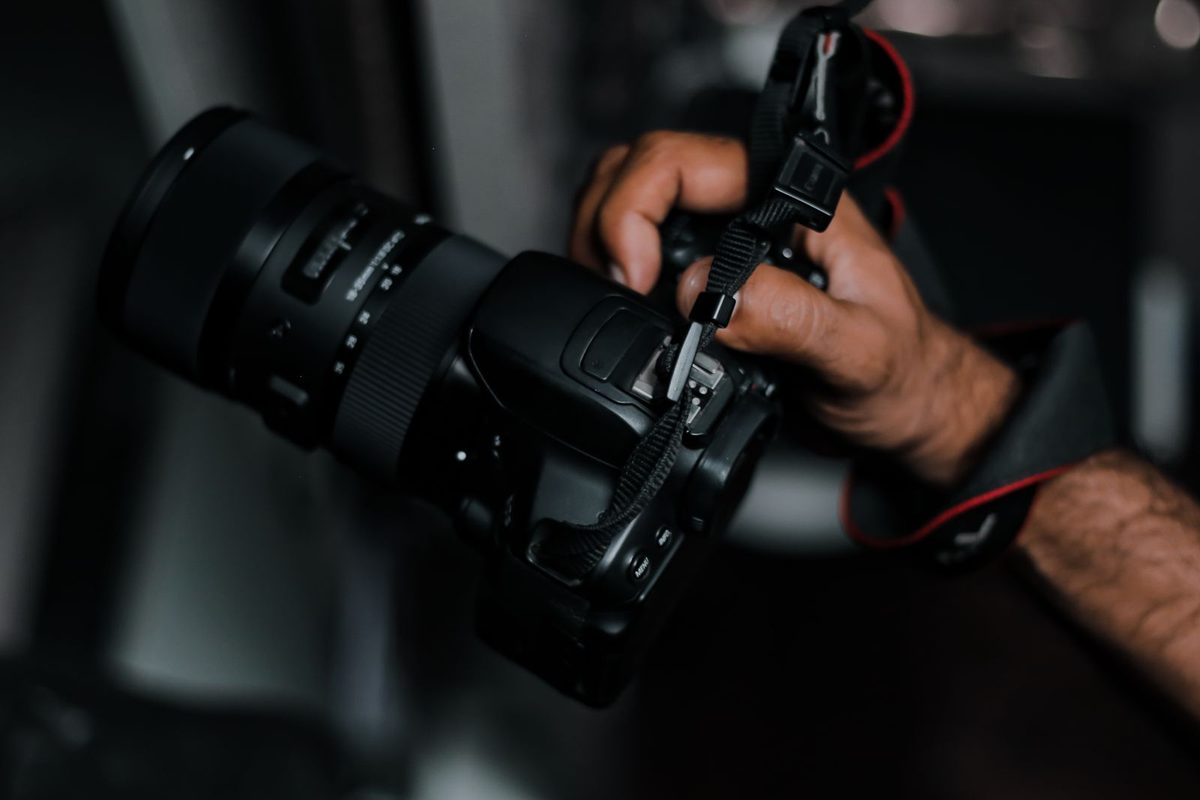
Picture a couple at eleven at night, three photographer websites open in three tabs, deciding who to enquire with before they go to sleep. They are not reading paragraphs. They are looking. Within a few seconds each site has either made them feel something or lost them to the next tab. That is the job your portfolio website does, and it is why the site is effectively your second shoot: it has to photograph as well as you do.
Most advice about photography websites talks about menus and contact forms. Useful, but secondary. The first thing to get right is that your images carry the whole pitch, and everything else on the site exists to move a person from "these are beautiful" to "I have sent an enquiry". Let us start where the decision is actually made.
Why showing everything is the mistake
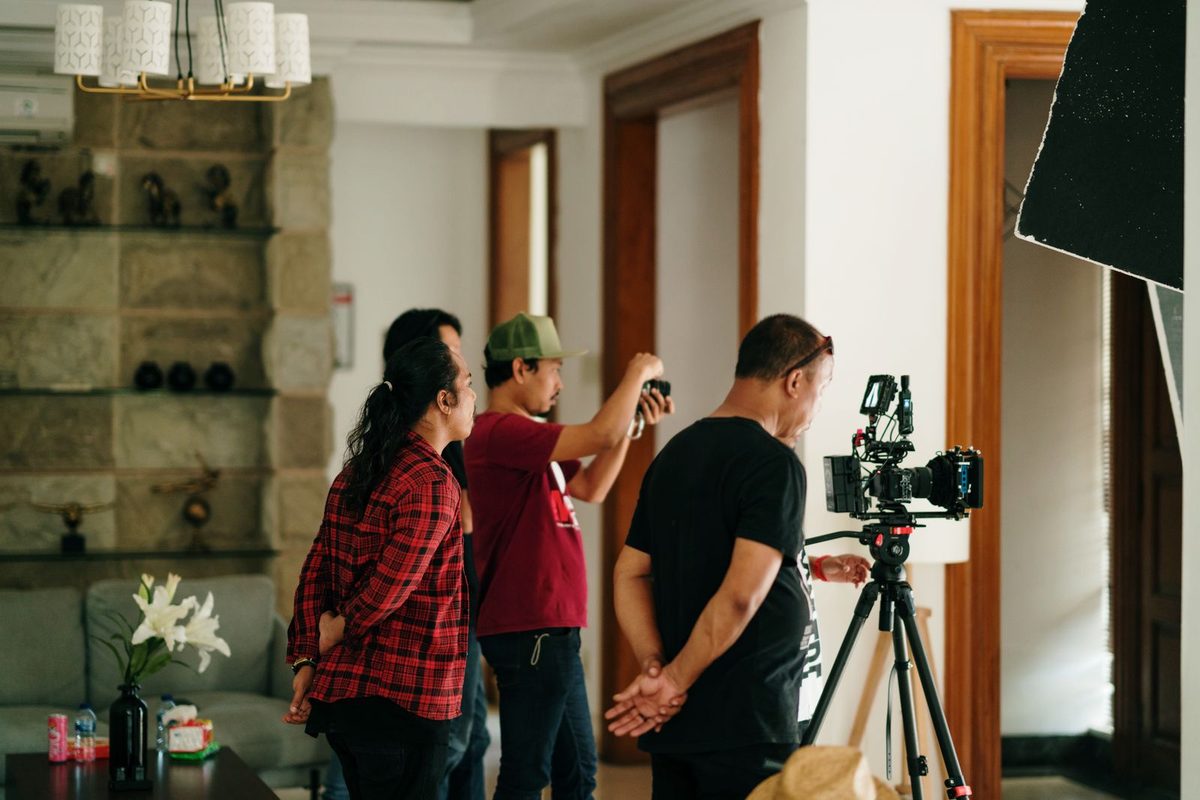
The instinct is to show as much as you can. Resist it. A portfolio of two hundred photos does not read as generous; it reads as unedited, and it hides your best frames among your average ones. A visitor judges you by the weakest image they see, not the strongest, so every mediocre shot you leave in drags down the ones that would have won the booking.
Curate hard. For each type of work you want more of, choose a small, ruthless set of your strongest images, the ones that feel like you. Lead with the kind of work you want to book, not the work you happen to have most of. If you want weddings, weddings open the site; if you are quietly done with newborn shoots, they do not need a gallery at all. Your website is not an archive of everything you have done. It is an argument for the work you want next.
One more thing curation does: it sets a price in the viewer's mind. A tight, confident set of images signals a photographer who knows their worth. A sprawling, mixed gallery signals someone who will negotiate. What you show, and what you leave out, is part of how you are paid.
The bit photographers forget: the words
Here is the awkward truth. Search engines cannot see your photos. A stunning gallery that Google cannot read is a gallery few new clients will ever find. The words around your images are what get you discovered, and most photography sites have almost none.
You do not need to become a copywriter. You need a handful of honest, specific words in the right places. Put the kind of photography and the place you work into your page titles and headings, the way a client would search: "wedding photographer in Cornwall", not "gallery". Give each image an alt text that describes it plainly, which helps both search and anyone using a screen reader. Write a short, real about page in your own voice, because clients hire a person, not a lens. These small texts do the finding, so your images can do the convincing.
From "wow" to "booked"
Admiration is not a booking. The gap between the two is where most photography sites fail, usually by making the next step vague. A person who has just fallen for your work should never have to hunt for how to hire you. Put a clear enquiry link near the galleries, not only buried on a contact page, and keep the form short: name, date, type of shoot, a line about what they want.
Be honest about money, at least in broad strokes. You do not have to publish a full price list, but a starting figure or a "from" price filters out the mismatched enquiries and reassures the right ones. Fotografias who hide every price get more enquiries and fewer bookings, because half of them were never going to pay. A little honesty here saves you a stack of polite dead-end emails.
Packages help too. A short description of what a portrait session, a half-day and a full day include gives a client something concrete to choose, and it quietly raises the average booking as people talk themselves up to the middle option.
Three ways photographers quietly lose bookings
Even a beautiful site leaks enquiries in a few predictable places. These are the ones worth checking today:
- Heavy galleries that crawl on a phone. Full-resolution images look glorious and load like treacle on mobile data, where most clients are browsing. Properly sized images keep the beauty and lose the wait.
- A site that fights the thumb. Tiny tap targets, galleries that will not swipe, an enquiry button off the bottom of the screen. If it is awkward on your own phone, it is awkward for every client.
- No clear next step. Gorgeous work, then nada: no obvious enquiry link, no price hint, no sense of what to do. Admiration cools fast without a path to act on it.
None of these are about talent. They are about the frame around the work, and fixing them is often the difference between a full diary and a quiet one.
Let a few clients speak for you
Your images prove you can shoot. A handful of real words from past clients prove you are good to work with, which is a different and equally important question, especially for weddings, where a couple is trusting you with a day they cannot redo. A short, genuine line about how calm you kept a chaotic morning, placed near the enquiry button, does more than any list of gear. Pick two or three honest quotes, use a first name and the type of shoot, and let them carry the part of the pitch your photos cannot.
Keep it alive without a redesign
A portfolio is never finished, and that is fine. As your style shifts, swap the front galleries for your newer, stronger work and quietly retire the older set. You do not need a full redesign every year; you need to keep the first images a visitor sees current and true to what you shoot now. A site that always leads with your best recent work looks like a photographer in demand, which is exactly the impression that keeps enquiries coming.
A portfolio that loads fast and asks for the booking
If building all of this sounds like a second job, that is exactly the problem an AI website builder solves. With Semalt you describe your photography in a sentence and get a complete portfolio site in minutes: galleries, an about page, packages and an enquiry form, laid out to load fast and look right on a phone. You swap in your own images, tune the words by asking in chat, and publish.
It is free to try, and you can go live on a Semalt address straight away or connect your own domain later. There is a photographer example, alongside other trades, on the examples page. Curate your strongest work, put a few honest words around it, and give a late-night browser an easy way to say yes.
