How to build a small hotel or B&B website that drives direct bookings
Why a small hotel needs its own website
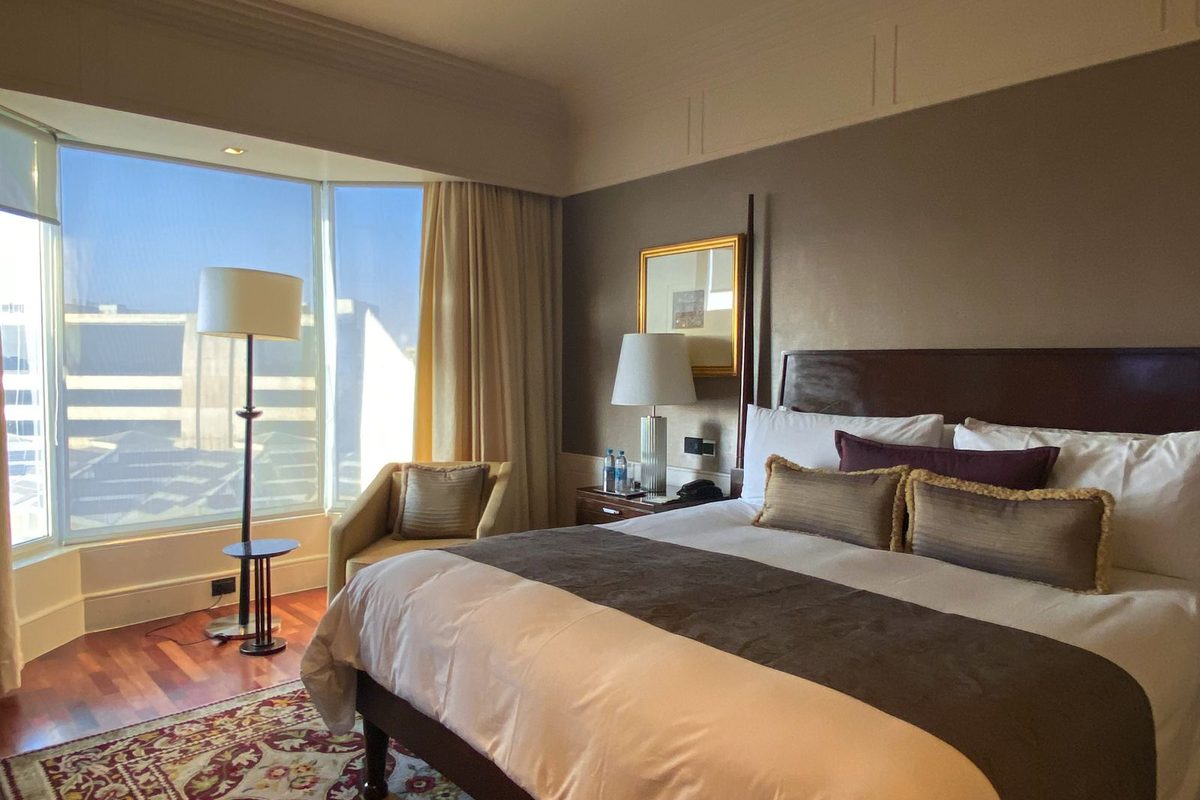
Booking portals bring guests, but they take a cut of every stay and keep the relationship. Your own website is where you win direct bookings, save that commission, and turn a one-night guest into someone who comes back and tells a friend. For a small hotel or B&B, a good website is the difference between renting rooms and running a business you control.
Guests check your site even when they found you on a portal. They want to see the real rooms, the actual location, and whether booking direct is easier or cheaper. If your site answers those well, many will book with you straight away. If it does not, they go back to the portal and you pay for the privilege.
What every hotel website needs
Before design, get the practical pieces in place. These are what a guest looks for before they book.
- Clear room types with real photos, what is included, and the rate.
- An easy way to check availability and book direct, on a phone.
- A reason to book direct: best rate, a free extra, or a simpler cancellation.
- Your location, how to get there, and what is nearby.
- Honest photos of the rooms, the breakfast and the common areas.
Get those right and a guest deciding between you and the portal has every reason to book with you.
A simple structure that works
A short, clear set of pages beats a sprawling site that hides the booking button. Most small hotels do well with five:
- Home - a warm photo, a line on what makes you special, and a book button.
- Rooms - each room type with photos, what is included and the rate.
- Book direct - availability, rates, and why booking with you is the best choice.
- Location - how to find you, parking, and things to do nearby.
- About and contact - your story, house rules, and how to reach you.
Keep a "book" button in the header on every page, because a guest ready to commit should never have to search for how.
Show the rooms and rates clearly
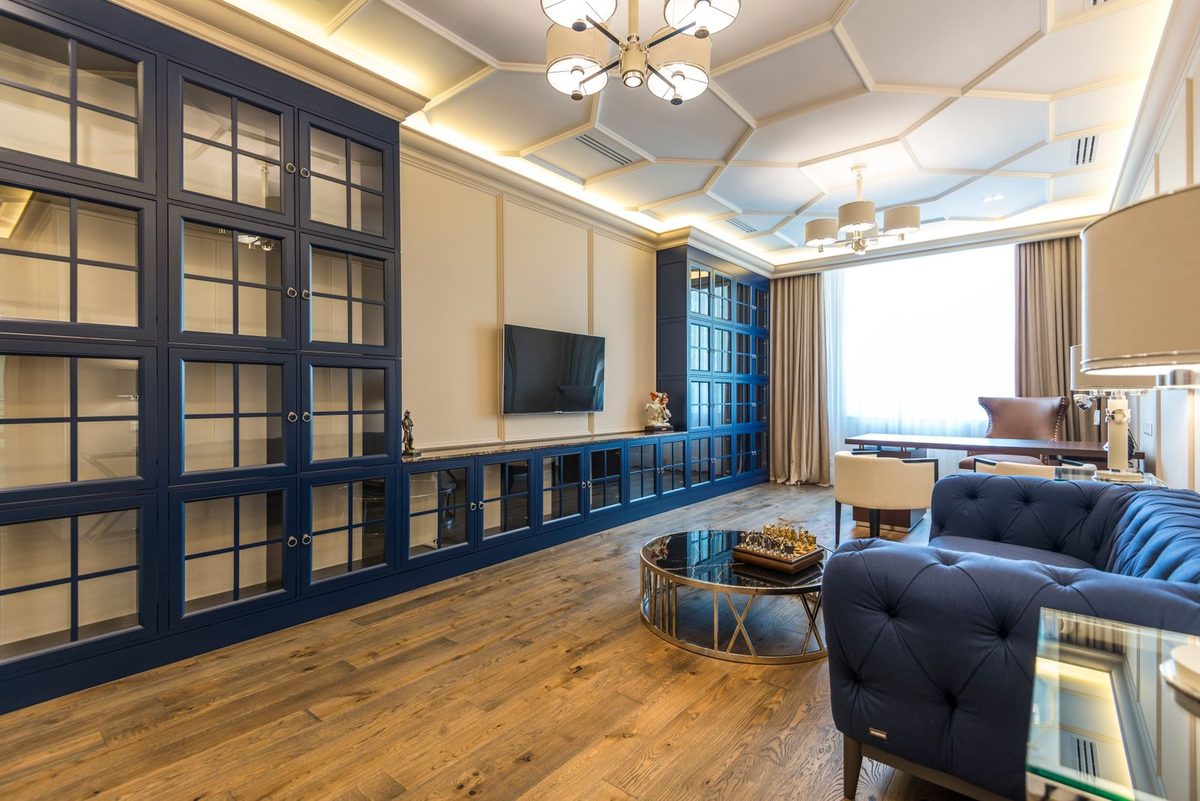
Rooms are what guests come to see, so give each type its own clear block: several real photos, the bed and size, what is included, the maximum guests, and the rate. Vague descriptions and one dark photo lose bookings, because a guest who cannot picture the room books the hotel that showed theirs.
A few habits make rooms easy to choose:
- Photograph each room in daylight, including the bathroom and the view.
- List what is included, from breakfast and wifi to parking and late checkout.
- Show the rate plainly, and note when it changes for weekends or seasons.
- Say clearly which rooms suit couples, families or longer stays.
Make booking direct the obvious choice
Direct booking is the whole point of the site, so make it easy and make it worth it. Podłącz a booking engine so guests check dates and reserve in a few taps, and put the button on every page. If a full booking system is a step too far for now, a short availability request (dates, guests, room, phone or email) that reaches you instantly still captures the booking.
Give guests a real reason to skip the portal. A best-rate promise, a small free extra like breakfast or a late checkout, or a simpler cancellation policy all tip the decision your way. Say it plainly near the booking button, because most guests will choose direct if you make the benefit clear.
Sell the location and the experience
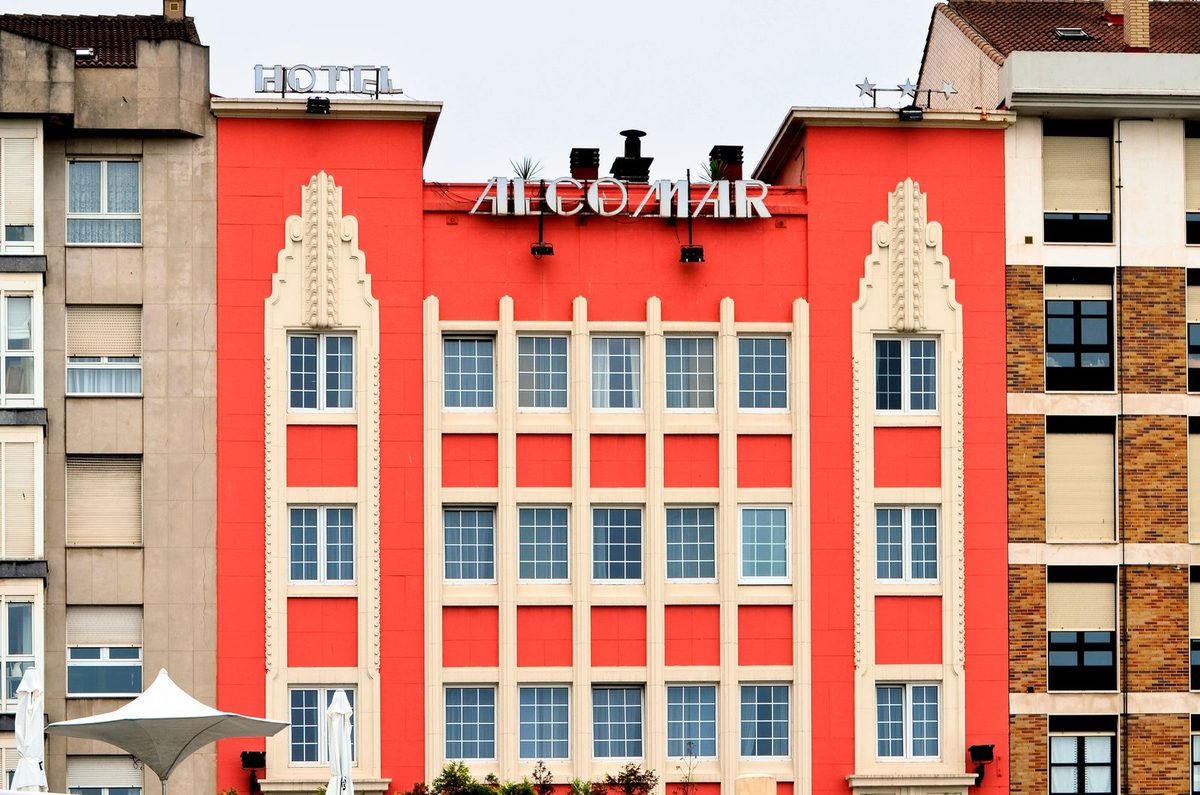
People book a stay, not just a bed, so sell the whole thing. A short page on your location, with how to reach you, where to park, and a handful of genuine local tips - the good coffee two streets over, the walk worth doing, the market on Saturdays - helps a guest picture their trip. It also earns local search traffic from people planning a visit to your area.
Do not forget the small comforts that decide a booking: breakfast, wifi, quiet rooms, a garden, a warm welcome. Imię them honestly. A B&B that describes its real breakfast beats a bigger hotel hiding behind stock photos.
Build trust with honest photos and reviews
Guests trust a place they can see clearly. Use your own photos of the actual rooms and spaces rather than generic hotel stock, which travellers recognise and distrust. A few honest guest reviews near the booking button help, kept real and specific: a line about a host who gave great local tips does more than a row of anonymous stars.
Keep expectations honest. If a room is cosy rather than large, say so. Guests forgive a small room they expected far more easily than a surprise, and honest listings earn the good reviews that bring the next booking.
Get found by travellers
A live site is a start. To reach people planning a trip to your area, give the signals they and Google look for.
- Put your area and type in the page title, the way people search: "B&B in the Cotswolds", not just "home".
- Claim your free Google Business Profil and match the name, address and photos to your site.
- Write a short local guide, so you rank for people researching things to do nearby.
- Ask happy guests to leave reviews and reply to them, warmly and honestly.
These habits, plus a fast site that works on a phone, bring direct bookings that owe no commission to anyone.
Fast and mobile, because that is how people book trips
Most travel research and booking happens on a phone, often late at night. A page that takes six seconds to load loses the guest before the rooms appear. Keep it light: well-sized room photos rather than a heavy slideshow, readable rates, and a book button that never scrolls out of reach. Test it on your own phone, on mobile data, and if checking rooms and booking are not easy within ten seconds, fix that first.
Build your hotel website with Semalt AI
Running a small hotel or B&B leaves no spare hours to wrestle with a website builder. That is the gap Semalt fills. Opisz your place in a sentence and the AI builds a full site, with room types, rates, a booking request, a gallery and a location page, ready to publish in minutes. When rates change or you add a room, you ask in chat and the site updates.
It is free to try, and you can go live on a Semalt address right away or add your own domain later. You can see a finished hotel example, alongside other trades, on the examples page. Typ "a small boutique hotel with room types, rates, a booking request and a location guide" and look at the first draft. You could be taking direct bookings this week.
