A studio lives on its timetable: the yoga and dance website built to fill classes
The timetable is the heart of the whole thing
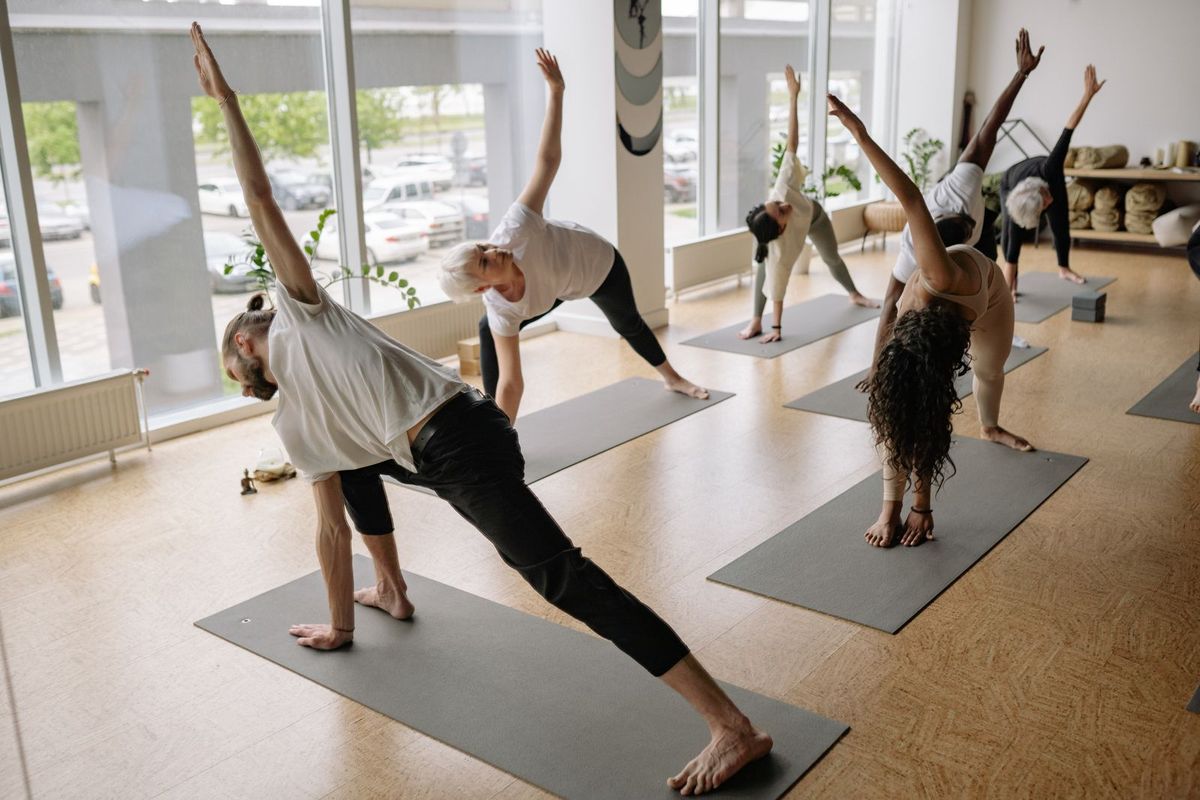
A yoga, dance or Pilates studio is a particular kind of business. It does not sell a thing you take home; it sells a place in a room at a set time, over and over, and it only works when those rooms are full. That makes the website's central job unusually clear: get people to the right class at the right time, with as little friction as possible. The single most visited, most important part of a studio site is not the pretty photos or the mission; it is the timetable and the button next to it.
So build the site around that. Every wandering thought of "maybe I should try a class" needs the shortest possible path to a booked spot on a mat. This article is about clearing that path, and then keeping the people who walk it.
Put a clear schedule and easy booking front and centre
Make the timetable simple to find and simple to read, ideally a clean weekly grid a person can scan in seconds: the class, the time, the teacher, the level. Daarna let them book right there. The gap between seeing a class they like and reserving a place is where studios lose people, so close it. An online booking system that shows real-time availability, so someone knows a class is not full before they plan their evening, turns inactief interest into a committed booking.
The easier this is, the fuller your classes. If people have to phone during opening hours, or turn up and hope, many simply will not bother. A timetable they can check and book from their phone at eleven at night, when they finally decide to sort their week out, is what fills the Tuesday morning slot that used to run half empty.
Explain passes, drop-ins and memberships plainly
Studio pricing can baffle a newcomer: drop-in rates, blocks of classes, class passes, monthly memberships, intro offers. A confused visitor often books niets, so lay it out clearly. Show the options in plain terms, what a single class costs, what a pass or membership gives, and who each suits. Someone just testing the water wants a simple drop-in; a regular wants the value of a membership. Make both obvious.
Memberships and passes are the financial backbone of a studio, because they turn sporadic visitors into committed regulars with money already on account. Present them clearly and attractively, and let people buy online. The studio whose pricing is easy to understand and easy to pay collects the commitments that a confusing price page quietly loses.
Lower the bar for the very first class
The hardest booking to win is someone's first. A newcomer wonders whether they will be too unfit, too inflexible, too old, too clueless, and whether they will feel out of place. Meet that head on. An intro offer, a discounted first class or a free taster, is the single strongest tool for turning a curious browser into a first-timer, because it removes the risk of committing before they know they will like it. Put it where nobody can miss it.
Daarna reassure them in words. Say clearly which classes suit beginners, that all levels and shapes are welcome, and what to expect on a first visit, what to wear, whether to bring a mat, how early to arrive. The unknown keeps nervous people away, so a short, warm "new here?" note that answers it removes the last excuse not to come.
Show the range of classes and levels
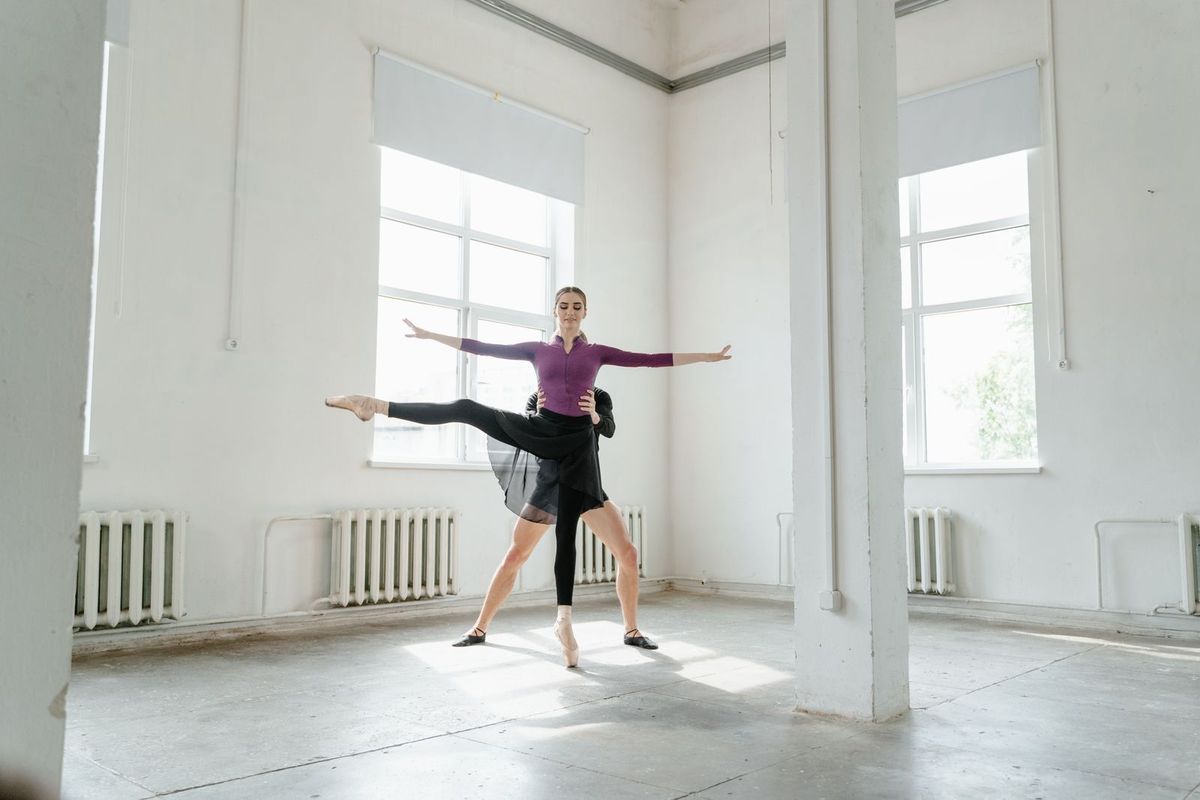
Studios often offer more than one thing, different styles of yoga, Pilates, several kinds of dance, classes for adults and for children, and a visitor needs to find their fit fast. A row of class names like "vinyasa", "yin", "reformer" or "contemporary" means little to a newcomer, so add a plain line to each explaining what it is, how energetic it is, and who it suits. Mark clearly which classes are gentle and beginner-friendly and which are more advanced, so nobody books the wrong intensity and has a miserable first experience.
If you teach children's dance or family classes, give those their own clear place, because the parent booking for a child is a different visitor with different questions. Helping every kind of person quickly see the class that is right for them is how you turn a broad timetable into a lot of individual bookings.
Introduce the teachers, because people follow people
In a studio, students bond with teachers as much as with the place. A class fills because people love how a particular instructor teaches, so let your teachers be people, not just names on a grid. A warm short profile and a real photo of each, a line on their style and what they love about teaching, helps a newcomer choose whose class to try and feel they already know a friendly face before they arrive. It also builds the loyalty that keeps a studio alive, because a student who adores their Wednesday teacher keeps coming back to Wednesday.
Nurture the community that keeps them coming
Getting someone to their first class is half the job; keeping them is the other half, and a studio's secret weapon is community. People stay for the belonging as much as the exercise, so let that warmth come through the whole site: photos of real, ordinary members, a friendly and inclusive tone, a sense that this is a welcoming place and not an intimidating one. Make it easy to rebook and to buy the next pass, so a good first month becomes a habit. A studio that feels like somewhere people belong, and makes coming back effortless, is one whose classes stay full without a constant hunt for new faces.
Be found by the person looking to start
All of this only helps if people find you. Nearly every search is local and on a phone: "yoga classes [town]", "beginners yoga near me", "dance classes for kids [area]", "Pilates near me". So put your classes and area into your page titles and headings in those plain words, keep a complete Google Business Profiel with real photos of your studio and classes, your true timetable hints and a booking link, and gather reviews. A review that says "I was nervous as a total beginner and everyone made me feel welcome" sells to the next nervous newcomer, and being found first is what puts your timetable in front of them.
A booking-ready studio site, in minutes
Setting up the timetable, class descriptions and online booking need not eat the time you would rather spend teaching. With Semalt you describe your studio in a sentence and get a complete site in minutes: a class schedule, clear pricing and passes, teacher profiles, an intro offer and online booking, laid out to work on a phone where people plan their week. You add your own photos, timetable and words, and publish.
It is free to try, and you can go live straight away or connect your own domain later. There is a fitness example, among other trades, on the examples page. Put the timetable and an easy first class front and centre, make everyone feel welcome, and keep the mats full.
