Catering sells before anyone tastes a thing: the website that wins the enquiry
You are not selling a meal, you are winning an enquiry
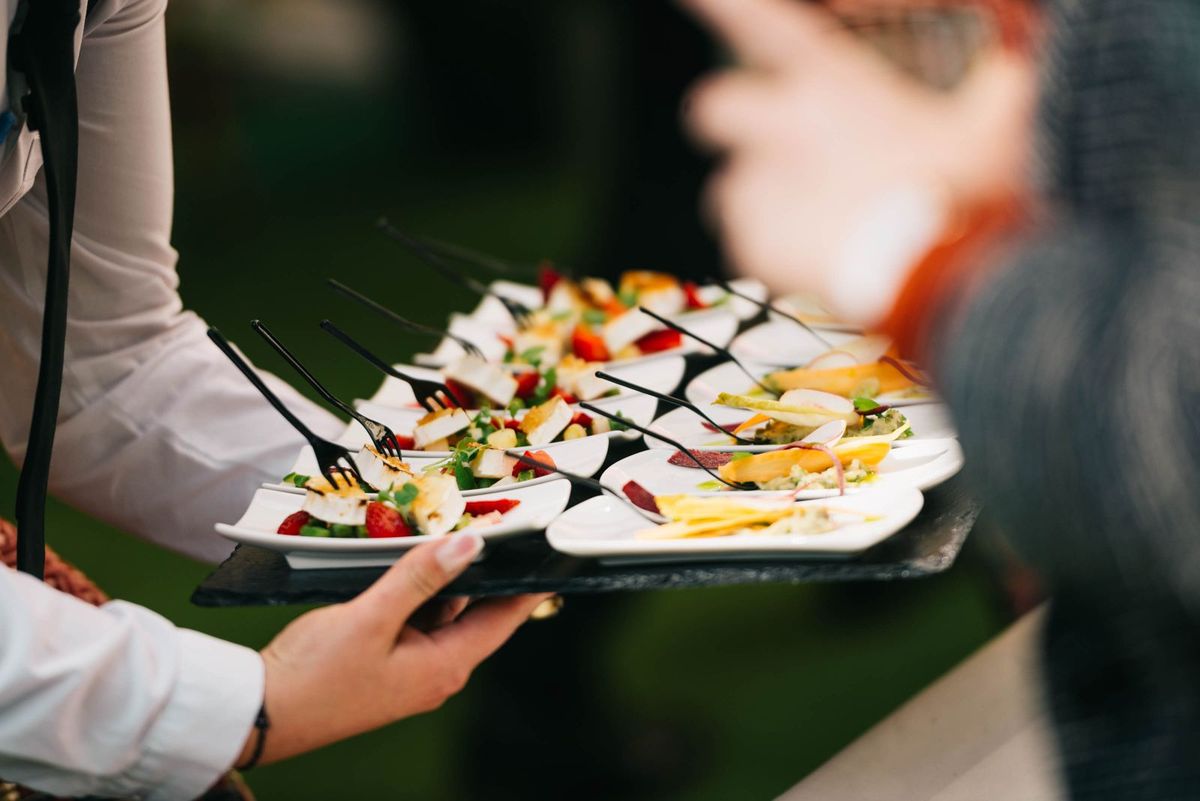
Most food businesses can sell you something on the spot. A caterer cannot. Every job is different, the pricing depends on the guests, the menu, the date and the venue, and nobody buys a wedding breakfast by clicking "add to basket". So a catering website has a different mission from a shop's: it is not a checkout, it is a doorway to a conversation. Its job is to make a stressed host trust you with the food at the centre of their event, and then make it easy to send that first enquiry.
That reframes everything. You are not trying to close a sale online; you are trying to earn enough confidence, and hand over enough detail, that a good enquiry lands in your inbox and a quote-and-conversation can begin. Get that right and the rest of your talent does the closing.
Your photos have to do the tasting
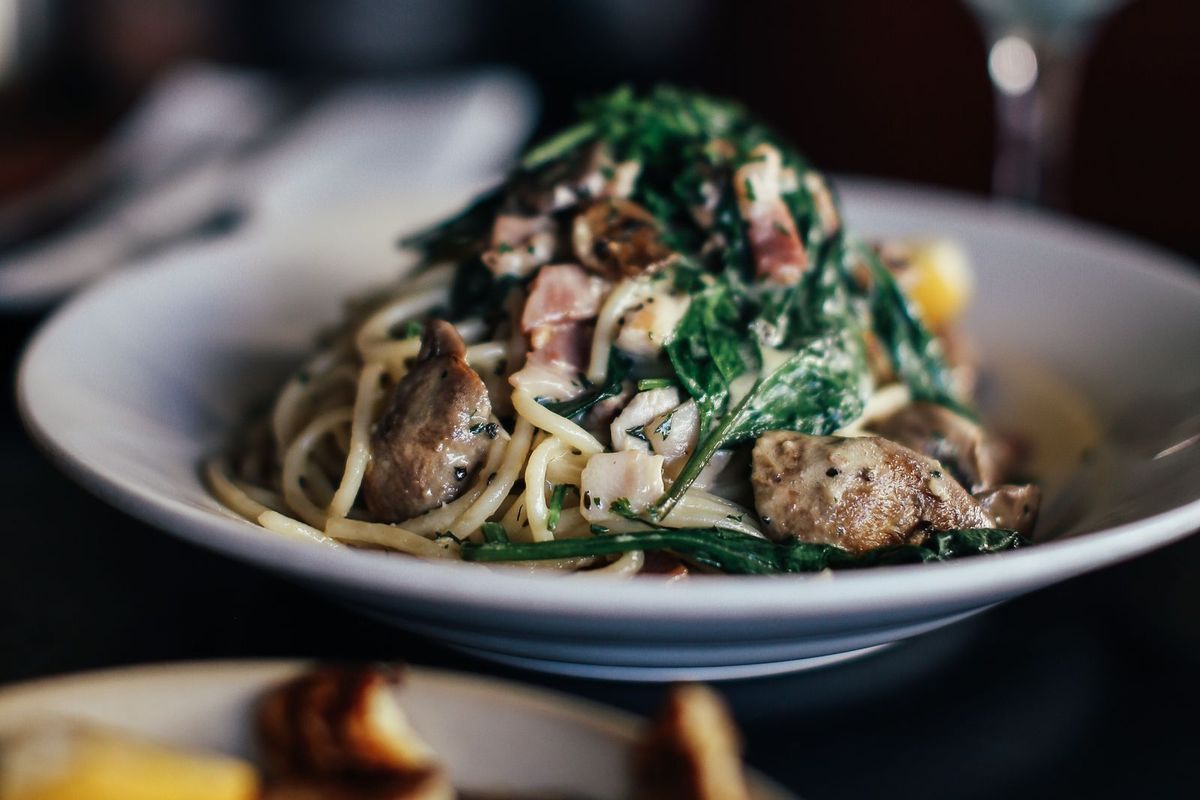
Since a visitor cannot taste anything, your photographs have to do it for them. For a caterer, food photography is not a nice extra; it is the core of the whole pitch. Beautiful, appetising pictures of your real dishes, your canapés, your buffets, your plated meals, are what make a host think "I want that at my event". Grainy phone snaps or, worse, generic stock food photos do the opposite, and stock is easy to spot and quietly kills trust.
Invest here. Show a range of real events you have catered, so people can find the sort of thing they are planning and picture it on their own tables. If you can, capture the food styled as it actually looked at a job, not just in the kitchen. The mouth-watering photo is the single most persuasive thing on the site, because it is the closest a visitor gets to tasting before they commit.
Design the enquiry to start the right conversation
Because the enquiry is the product, the enquiry form deserves real thought. A bare "contact us" wastes everyone's time and leads to days of back-and-forth. Instead, ask for the things you need to give a useful first reply: the type of event, the date, the rough number of guests, the venue or location, the kind of food or service they imagine, and their budget if they will share it. Collect those up front and you can respond with something real, a sensible steer and a sense of cost, rather than a game of email tag.
Keep it friendly, not like a tax form, but do gather the essentials. A host who fills in a thoughtful enquiry and gets a warm, informed reply the same day feels looked after before you have cooked a thing, and that feeling is often what wins you the job over a caterer who replied with "how can we help?".
Show the range so people see their event

Catering covers wildly different occasions, and a host wants to know you handle theirs specifically. Weddings, corporate lunches and events, private parties, funerals and wakes, festivals, each has its own needs and its own mood. Give the main ones you serve a clear place on the site, so a person planning a wake is not wading through wedding photos, and a company booking a working lunch sees you understand their world.
The tone matters as much as the list. A wedding section can be warm and celebratory; a funeral catering section needs to be gentle, discreet and reassuring. Speaking to each occasion in the right voice tells a host you have done this many times and understand exactly what their day needs, which is a big part of why they will trust you with it.
Answer the anxious host's real fears
The person booking catering is nervous, because the food is what guests remember and they have one chance to get it right. So answer the worries they carry. Reassure them on dietary needs and allergies, that you handle vegetarian, vegan, gluten-free and allergy requirements carefully and safely, because a host dreads a guest being unable to eat or, far worse, having a reaction. Reassure them on reliability, that you turn up on time, set up properly and there will be plenty of food. Mention your food hygiene rating and that you are insured. These are the quiet fears behind every booking, and a caterer who calms them on the website has already half won the trust the enquiry depends on.
Give sample menus without pinning every price
Hosts want to see what you offer, but bespoke pricing makes a fixed menu tricky. The answer is sample menus: show example spreads for different occasions and styles, with a clear note that everything can be tailored to taste, dietary needs and budget. This gives people something concrete to react to and gets them excited, while leaving room for the personal quote your work really needs. Being open about roughly how pricing works, per head, minimum numbers, what is included, also filters out mismatched enquiries and marks you as straightforward, so the enquiries you do get are closer to booking.
The steady side: corporate and repeat work
Private events get the attention, but the quieter, steadier income often comes from business clients: office lunches, meetings, regular corporate catering, hospitality for local firms. This work repeats and values reliability over the lowest price. So make it clear on the site that you cater for business as well as celebrations, with an easy way for a company to set up regular orders or enquire about an event. Many caterers lead only with weddings and never mention the corporate work that could fill their quieter weeks, so say it plainly and open that door.
Be found by the host who is planning
All of this needs the planning host to find you. Nearly every search is local: "wedding caterer [town]", "event catering near me", "buffet catering [area]", "funeral catering [town]". So put your services and area into your page titles and headings in those plain words, keep a complete Google Business Profiel with mouth-watering photos of your food, your true details and reviews, and gather testimonials from past events. A review that says "the food was the talk of the wedding" sells to the next anxious host better than anything you could write, and being found first is what brings them to your enquiry form.
A catering site that wins enquiries, in minutes
Building the photo galleries, the occasion pages and a proper enquiry form need not take a week you do not have. With Semalt you describe your catering business in a sentence and get a complete site in minutes: a food gallery, sections for the events you cater, sample menus and a detailed enquiry form, laid out to work on a phone. You upload your own dish photos, add your menus and words, and publish.
It is free to try, and you can go live straight away or connect your own domain later. There is a food and drink example, among other trades, on the examples page. Let your photos do the tasting, start the right conversation, and win the enquiries that fill your calendar.
