It is forever, so they choose the artist, not the shop: the tattoo studio website
Permanent changes how people choose
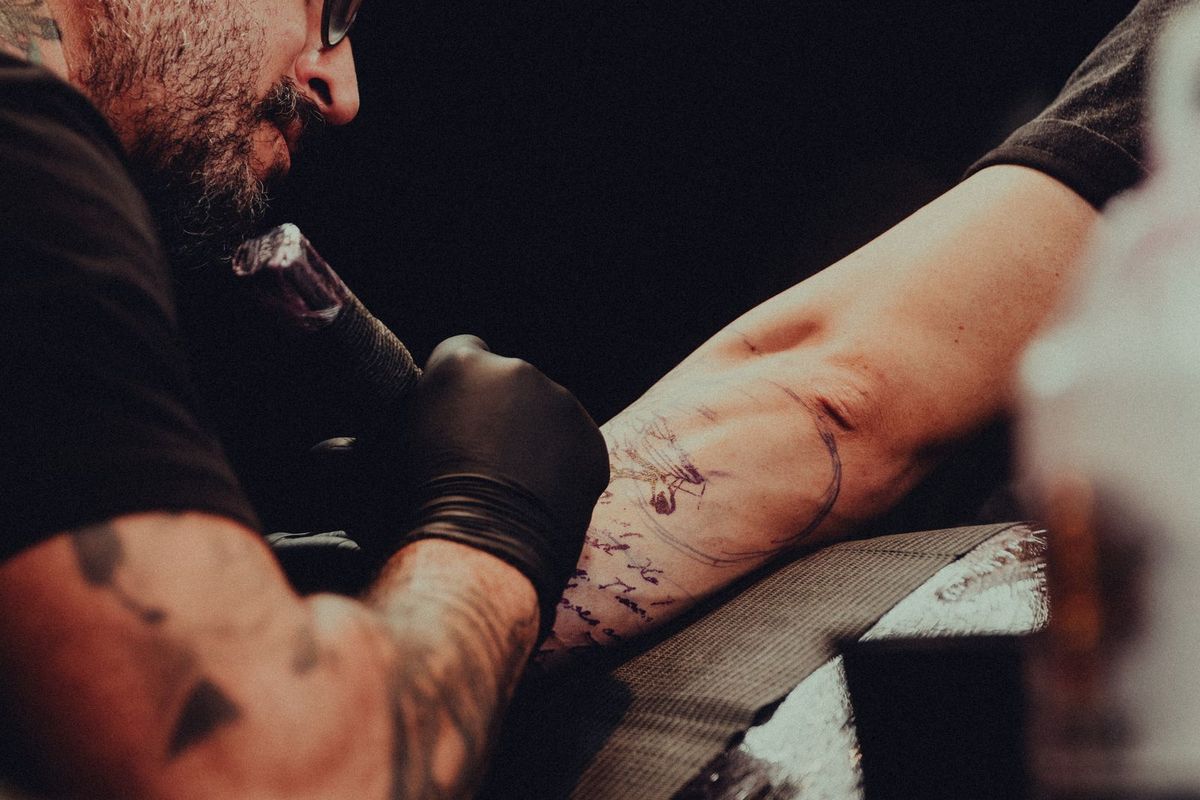
A tattoo is one of the very few things a customer buys that is genuinely permanent. That single fact changes everything about how they choose. Nobody books a lifelong mark casually, and they do not really choose a studio; they choose an individual artist whose style they love and whose skill they trust. They will scrutinise portfolios, compare artists, and agonise, because getting it wrong is not a bad haircut that grows out, it is forever. On top of that sits a real, practical worry about hygiene and safety, because it involves needles and skin.
So a tattoo studio website has two big jobs: to show off each artist and their distinct style so a customer can find the right one for their idea, and to reassure completely on hygiene and professionalism. Get both right and you win the booking; miss either and the customer, quite reasonably, goes elsewhere. Here is how to build it.
Put the artists and their styles front and centre

Because customers choose an artist, not a shop, your artists are the heart of the site. Give each one their own profile and their own portfolio, because tattooing is intensely stylistic and people search for specific styles: fine line, traditional, neo-traditional, realism, blackwork, watercolour, script, Japanese. A customer with a fine-line idea wants the fine-line artist; showing whose speciality is what lets them find their match instantly.
Fill those portfolios with strong, real photos of each artist's actual work, well lit and clearly shot, because the portfolio is the entire argument. This is what convinces someone to trust a person with a permanent mark on their body, so make it generous and current, and keep adding fresh pieces. Let each artist's personality show a little too, a short human note, since a customer will sit with them for hours on something deeply personal and wants to feel comfortable. The studio that presents its artists and their styles clearly wins the customer hunting for exactly their kind of work.
Reassure completely on hygiene and safety
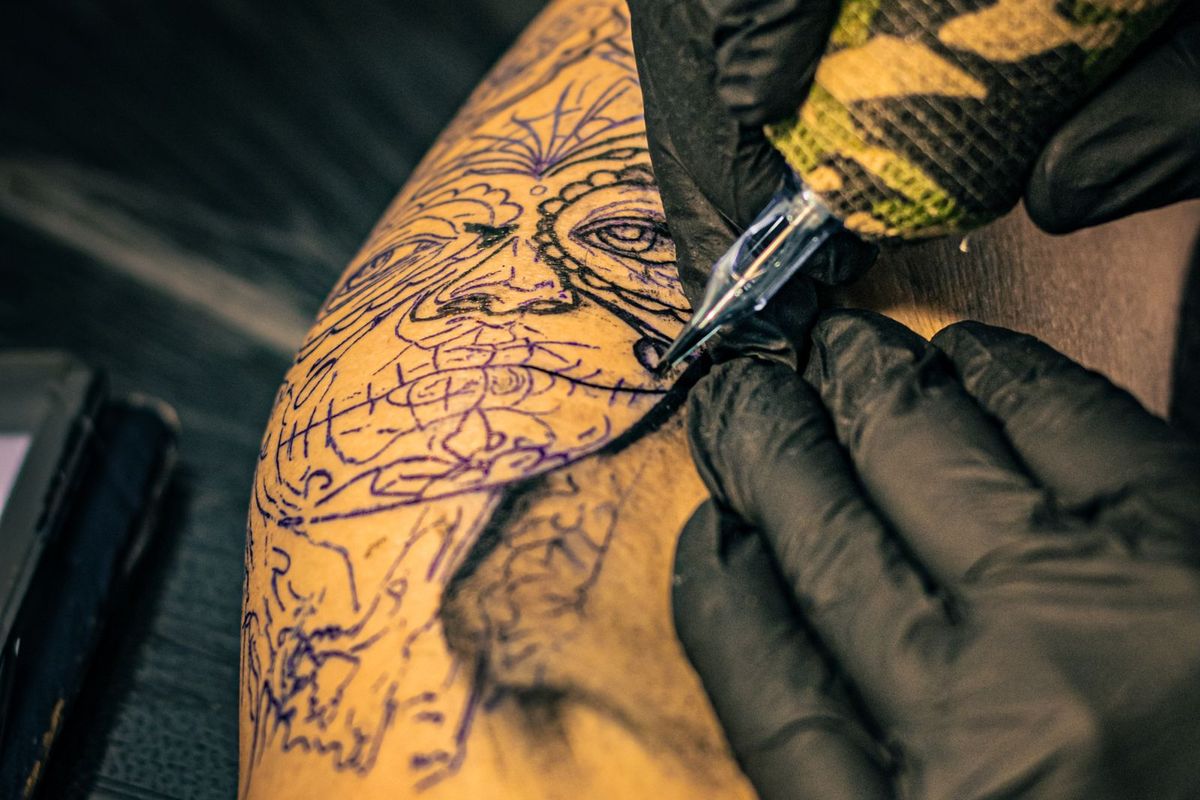
The hygiene worry is real and legitimate, so meet it head on rather than hoping people do not think about it. Say plainly that your studio is fully licensed and registered, that you follow strict hygiene and sterilisation standards, that you use single-use, sterile needles and equipment, and that your artists are trained and experienced. Photos of a clean, professional studio reinforce every word.
This reassurance matters as much as the art, because a customer will not let anyone near their skin with a needle unless they feel completely safe. A studio that is upfront and specific about its cleanliness and standards stands apart from any that stay vague, and it settles the single biggest practical fear standing between an interested person and a booking. Never leave the hygiene question for the customer to worry about in silence; answer it clearly and confidently on the site.
Guide them from a vague idea to a booked design
Many customers arrive with only a rough idea and no clue how the process works, and that uncertainty stalls bookings. So explain your process plainly. תיאור how a custom piece comes together: an initial consultation to talk through their idea, references and placement, the artist creating a design, and then the booking. Make clear that they can come in or get in touch to discuss an idea before committing to anything, which reassures the nervous first-timer enormously.
Invite the enquiry warmly. A simple way to send an idea, a reference image, a rough concept, the body part, and request a consultation, turns a daydream into the start of a real booking. Reassure them that ideas are welcome and that the artist will help shape them; people worry their idea is silly or unclear, and a friendly, no-pressure route in removes that fear. The studio that makes it easy to start the conversation catches the customer who has been thinking about a tattoo for months but never knew how to begin.
Answer the questions everyone has
Tattoo customers, especially first-timers, share a predictable set of questions, and answering them removes hesitation. How much does it cost, and how is it priced, per hour or per piece. How do deposits work. How much does it hurt, honestly. How long does it take, and how does healing go. Do you need to be a certain age and bring ID. What aftercare is involved. A clear, friendly frequently-asked section covering these makes you feel professional and approachable, and answers the practical doubts that would otherwise delay a booking. Being open about price and deposits in particular sets expectations and filters your enquiries, so the people who reach out are closer to committing.
Let the experience earn reviews
A tattoo is an experience as much as a product, hours spent with an artist on something meaningful, so reviews carry real weight. Gather and show reviews that speak to both the art and the experience: "incredible work, exactly what I imagined and better", "spotlessly clean and made me feel so at ease for my first tattoo", "the artist really took time to get my design right". For a nervous customer weighing up who to trust with a permanent piece, warm, specific reviews about great art, a clean studio and a comfortable experience are hugely persuasive. Encourage happy clients to share and tag their healed tattoos too, since those real results are marketing that reaches exactly the right audience.
Be found by the person ready to book
All of this needs the customer to find you. Searches are often local and style-specific: "tattoo studio [town]", "fine line tattoo artist [area]", "tattoo near me", "realism tattoo [town]". So put your studio, your artists' styles and your area into your page titles and headings in those plain words, keep a complete Google Business פרופיל with photos of your work and studio, your true details and reviews, and keep gathering reviews. Being the local studio that appears first, with standout portfolios and a clearly clean, professional reputation, is often what wins the booking.
A studio site that shows off your artists, in minutes
Building artist profiles, portfolios and an enquiry route need not be a project. With Semalt you describe your studio in a sentence and get a complete site in minutes: individual artist pages and galleries, your hygiene and safety information, a consultation enquiry form and your details, laid out to work on a phone where people browse tattoos. You upload each artist's real work, add your studio's standards, and publish.
It is free to try, and you can go live straight away or connect your own domain later. There is a beauty example, among other trades, on the examples page. Show off your artists, prove your studio is spotless, guide people from idea to booking, and win the customer choosing who to trust for life.
