How to build a website for a plumber, electrician or handyman that wins jobs
What customers want from a trade website
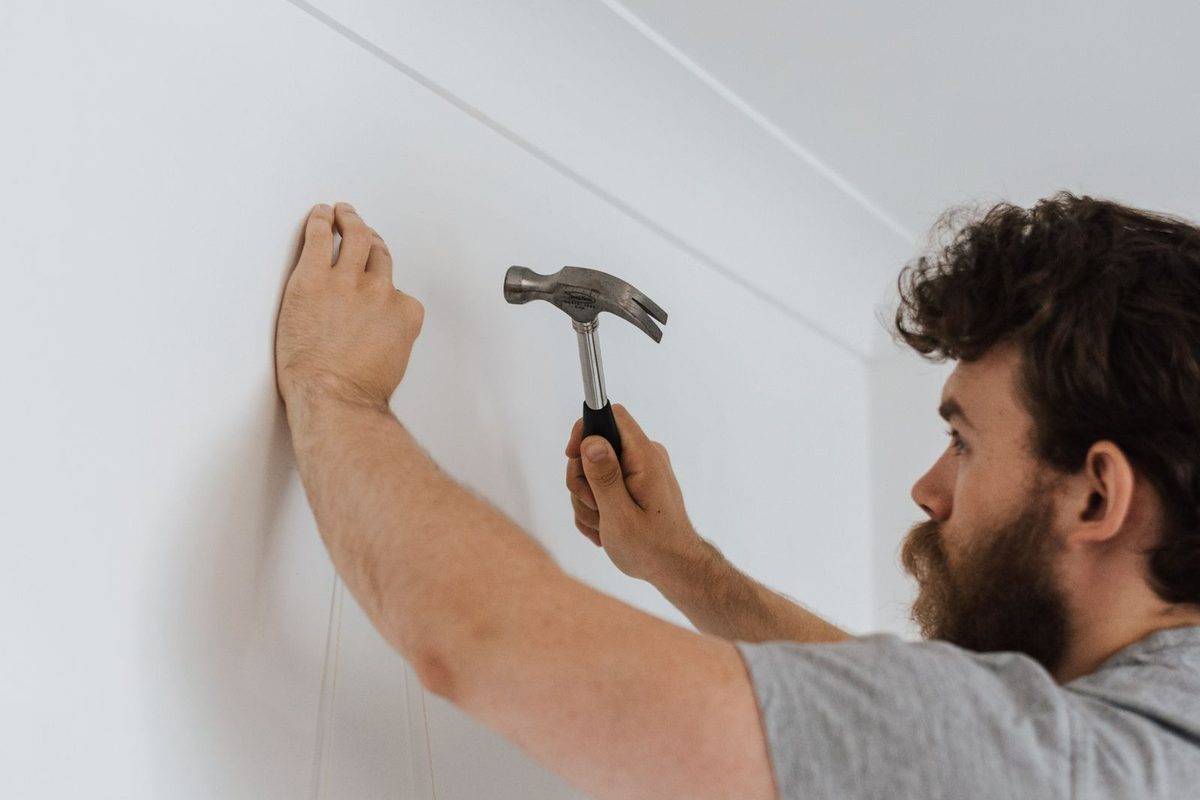
Someone searching for a plumber, electrician or handyman usually has a problem right now. On their phone, they want four answers fast: do you do the job I need, do you cover my area, can you come soon, and how do I reach you. A good tradesperson website gives all four in seconds and puts your number one tap away. Get that right and you win the job while your competitor's call goes to voicemail.
Your website also does the sorting your phone cannot. It shows the work you take on and the areas you serve, so you spend less time on calls for jobs you would turn down and more time on the ones you want.
What every trade website needs
Before design, get the practical pieces in place. These are what a first-time customer looks for.
- A clear list of the jobs you do, in plain words.
- The areas you cover, so people know at a glance if you come to them.
- A phone number that is tap-to-call, plus a short quote or callback form.
- Proof you can be trusted: reviews, photos of real jobs, and any qualifications or insurance.
- Your hours and whether you offer emergency call-outs.
Get those right and you look like the safe choice, which is exactly what a stranger letting you into their home wants.
A simple structure that works
You do not need many pages, and a short set beats a maze of tabs that hides your phone number. Most trades do well with four or five:
- Home - what you do, the areas you cover, and a big call and quote button.
- Services - each job in plain language, grouped sensibly.
- Areas covered - the towns and postcodes you serve.
- Recent work - photos of jobs, with a line on what you did.
- Yhteystiedot - phone, quote form, hours and emergency details.
Keep your phone number in the header on every page. When someone with a burst pipe finds you, the last thing they should do is hunt for how to call.
Show the services and areas you cover
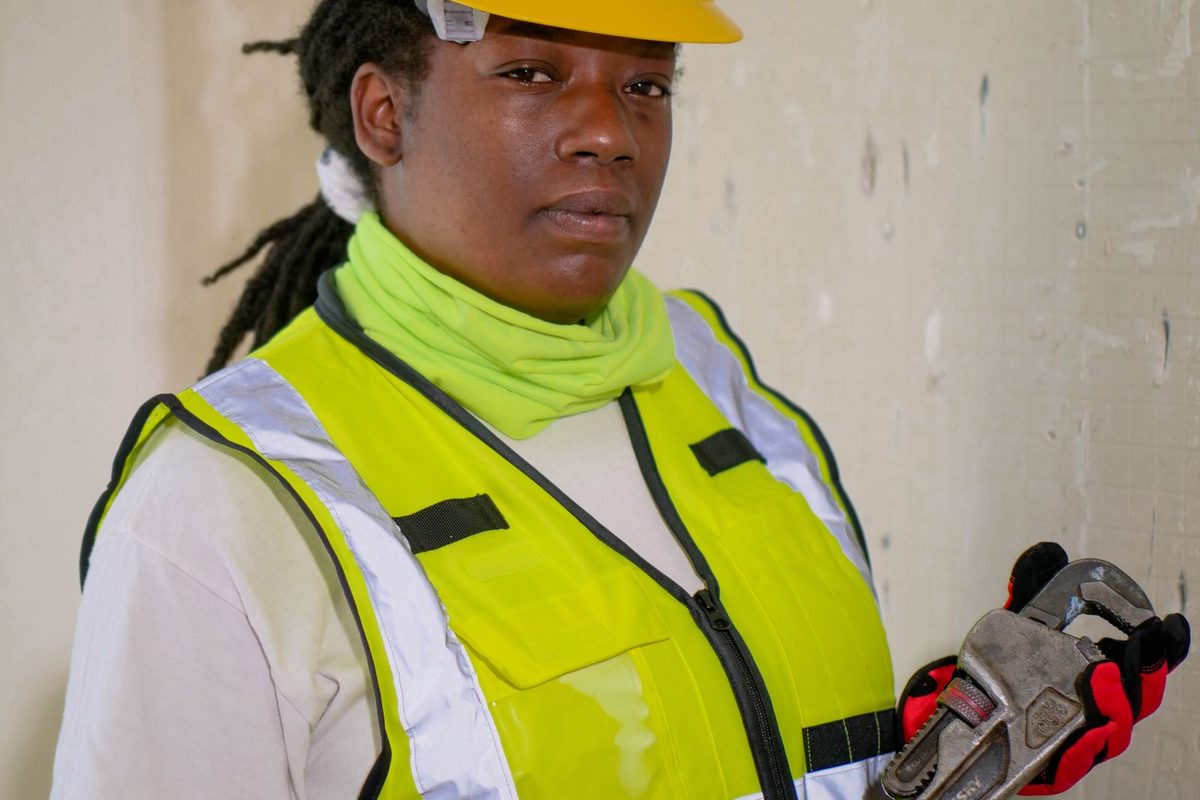
The services page decides most jobs. List the work you do in the words customers use - "boiler repair", "fuse box replacement", "flat-pack assembly" - rather than trade jargon. If you specialise, say so; if there are jobs you do not take on, a short note saves everyone a wasted call.
Be just as clear about where you work. A simple list of towns or postcodes, or a small map, stops people booking a visit you would never make and helps you rank for searches in your patch. A plumber who names their area on the page beats one whose site could be anywhere in the country.
Build trust before you ever meet
People are letting a stranger into their home, so trust does more work than price. A website builds it quickly when you show the right things:
- Real reviews with a first name and a town, not anonymous five-star clichés.
- Any qualifications, memberships or insurance, stated plainly.
- A clear promise on quotes, timekeeping and tidying up after the job.
- A real photo of you or the van, so the person who arrives matches the site.
None of this needs to be slick. Honest and specific beats polished and vague every time.
Make quotes and calls effortless
Winning trade work is a race, and the site should help you win it. Put a tap-to-call number and a short quote form (name, phone, job, address or postcode, a photo if they have one) on every page. Let people attach a photo of the problem, because a picture of the leak saves a phone call and helps you price it.
Reply fast. The tradesperson who answers first usually gets the job, so a form that lands straight in your phone matters more than a fancy design. If you offer emergency call-outs, give them a clear line of their own so a 2am burst pipe does not sit in a contact form until morning.
A word on pricing pays off too. Even a rough guide, like a call-out fee or an hourly rate "from", filters out time-wasters and reassures the serious callers. You do not have to price every job online, but a little honesty about how you charge builds trust before you have said a word on the phone.
Prove your work with real photos
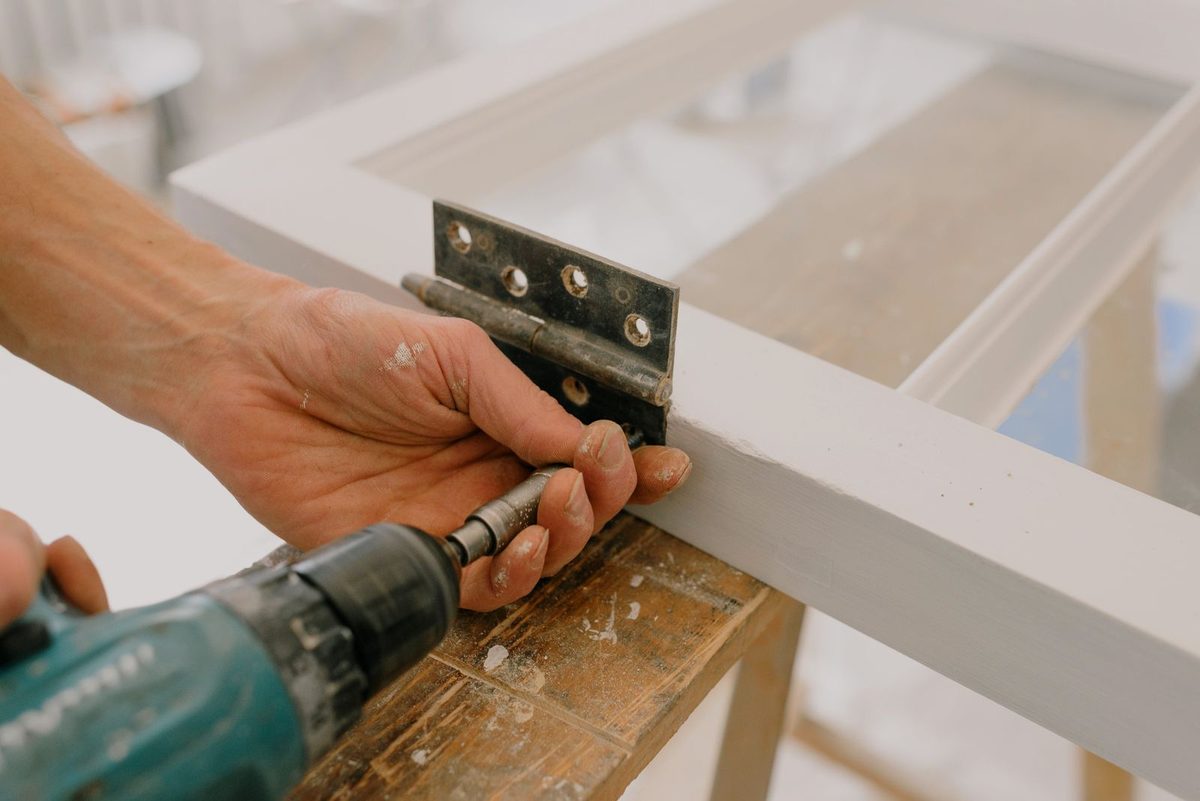
A gallery of real jobs is the strongest thing on a trade website. A tidy consumer unit, a neat run of pipework, a kitchen you fitted, a wall you made good - each one shows a customer what they will get. Take a quick before-and-after on your phone, keep the images sharp, and add a line on what the job involved. Skip stock photos of gleaming tools; nobody hires the tools, they hire you.
Get found by locals nearby
A live site is a start. To reach people searching for your trade in your area, give the local signals they and Google look for.
- Put your trade and town in the page title, the way people search: "emergency electrician in Bristol", not just "home".
- Claim your free Google Business Profiili and match the name, phone and area to your site exactly.
- Add short pages for your main services and towns, so you can rank for each one.
- Ask happy customers for reviews and reply to them, the glowing ones and the fair ones.
These habits, plus a fast site that works on a phone, put a local trade in front of the right people without spending on ads.
Fast and mobile, because that is how jobs come in
Almost every trade enquiry starts on a phone, often in a hurry. A page that takes six seconds to load loses the job before your number appears. Keep it light: a few well-sized job photos rather than a heavy slideshow, readable text, big tap-friendly buttons, and a call button that never scrolls out of reach. Test it on your own phone, on mobile data, and if calling and getting a quote are not obvious within ten seconds, fix that before anything else.
Build your trade website with Semalt AI
After a long day on the tools, nobody wants to spend the evening building a website. That is the gap Semalt fills. Kuvaile your business in a sentence and the AI builds a full site, with your services, areas covered, a gallery and a quote form, ready to publish in minutes. When you add a service or a new town, you ask in chat and the site updates.
It is free to try, and you can go live on a Semalt address right away or add your own domain later. You can see a finished home-services example, alongside other trades, on the examples page. Tyyppi "a local handyman covering north London with services, areas, photos of past jobs and a quote form" and look at the first draft. You could be taking enquiries by tomorrow.
