How to build a retail shop website that brings customers through the door
What a shop website is really for
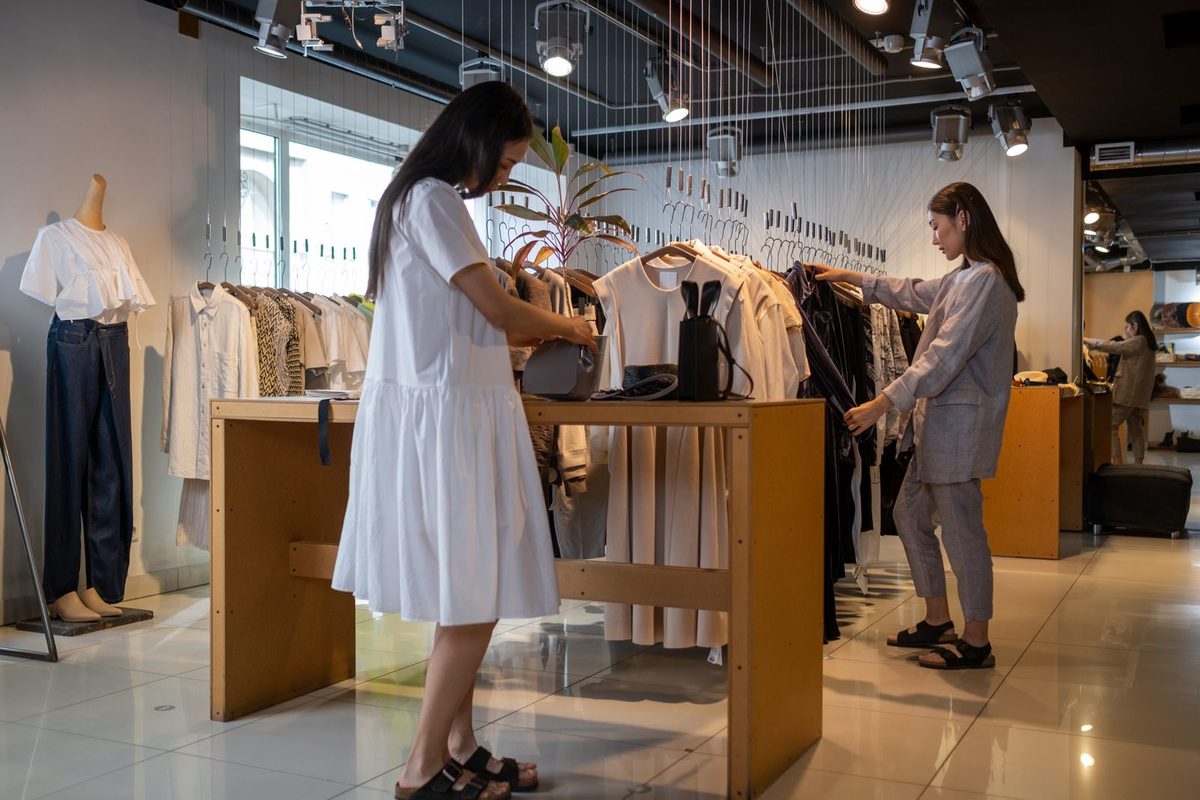
Plenty of small shop owners assume a website means building an online store, then put it off because that feels like a huge job. It does not have to. For most independent shops, the website's real job is to help nearby people discover you, see what you sell, and decide to visit. A good retail shop website drives footfall first, and sells online only as much as suits you.
Someone who found you on a map or a search wants to know a few things fast: what do you sell, are you open, where are you, and is it worth the trip. Answer those clearly and you turn a curious search into a customer walking in. That alone is worth far more than most shops expect from a simple site.
What every shop website needs
Before design, get the practical pieces in place. These are what a local shopper looks for.
- A clear sense of what you sell, with photos of real products and categories.
- Your opening hours, address with a map, and how to get there.
- A way to get in touch or reserve an item, even if you do not sell online.
- Photos of the shop itself, so people know the kind of place they are visiting.
- A reason to come in: your specialisms, your brands, or what makes you different.
Get those right and a shopper deciding where to go has every reason to choose you.
A simple structure that works
A short, clear set of pages beats a sprawling site that hides your address. Most shops do well with four or five:
- Home - what you sell, a few featured products, and your hours.
- Shop or products - categories and highlights, however much you show.
- Visit us - address, map, opening hours, parking and transport.
- About - your story, your specialisms and the people behind the counter.
- تواصل معنا - phone, email, and a form to reserve or ask about stock.
Keep your hours and address easy to reach from the header, because a shopper thinking of visiting should never have to hunt for them.
Show your products without a full online store
You can give shoppers a real feel for your range without the work of a full online store. A gallery of featured products, grouped into a few clear categories, with good photos and prices, shows what you carry and tempts people in. Add a simple "reserve" or "ask about this" button and you capture interest without processing a single online payment.
A few habits make product pages pull their weight:
- Photograph your best sellers well, in daylight, against a clean background.
- Group products into a handful of categories people understand.
- Show prices where you can, and mark what is in stock or seasonal.
- Let people reserve an item to collect, which brings them into the shop.
Decide how much online selling you actually need
Online selling is a spectrum, not a switch. Many shops do best starting simple and adding more only when demand is clearly there. Here is a rough way to think about it:
| Approach | Best for | Effort |
|---|---|---|
| Brochure site | Driving footfall to a local shop | Low |
| Reserve and collect | Popular items people want to hold | Low to medium |
| Full online store | Selling beyond your local area | High, with stock and postage to run |
There is no shame in starting with a brochure site and a reserve button. It costs little, brings people in, and you can always add full online selling later if the demand is there.
Build a local brand people trust
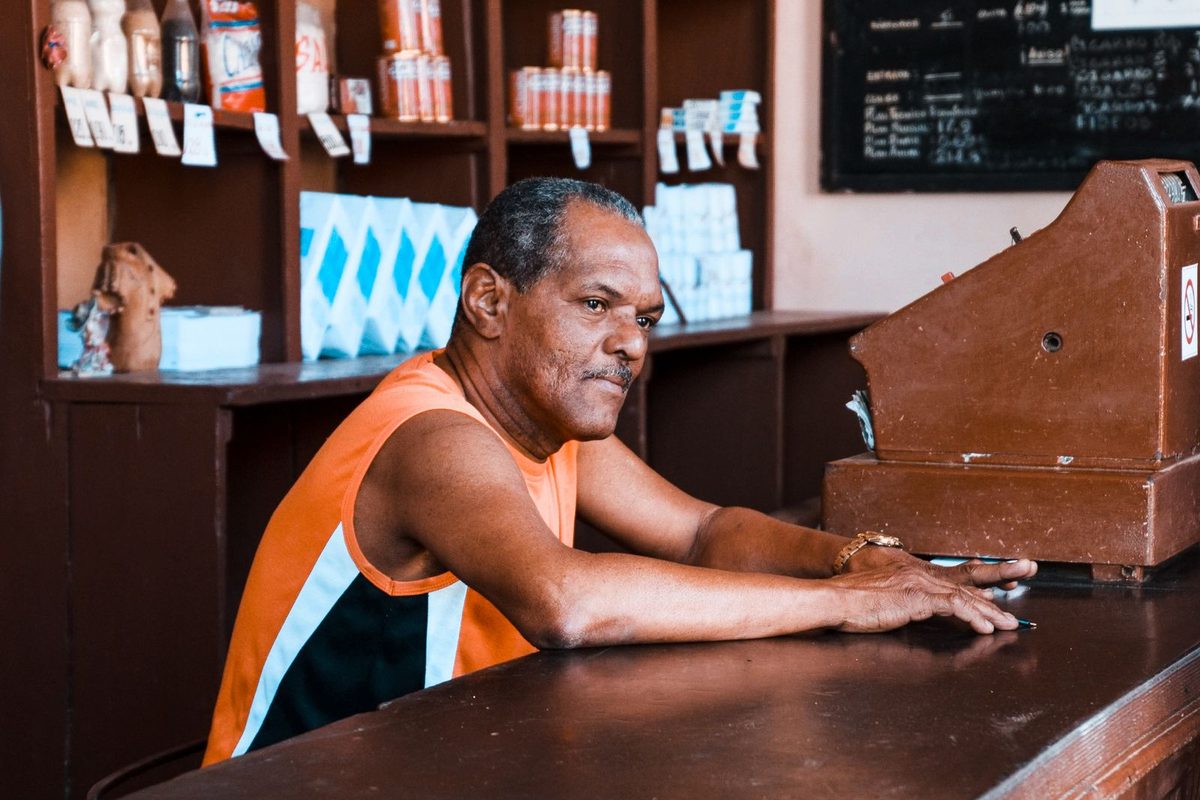
Independent shops win on character, so let yours show. A short about page with a real line on who you are, why you started, and what you care about does more than any slogan. Photos of the shop, the shelves and the people behind the counter tell a shopper this is a real, local place worth supporting rather than a faceless chain.
A few honest customer words help too. A short note about friendly advice or a hard-to-find item you tracked down beats a wall of anonymous stars, and it reads like the kind of shop people tell their friends about.
Turn a first visit into a regular
The cheapest customer is one who comes back, and a shop website can quietly help. A simple newsletter sign-up, a note about a loyalty card, or a small page listing what is on - a late-night opening, a new-season launch, a weekend workshop - gives people a reason to return and something to tell a friend about. Keep it genuine rather than a stream of discounts, and update it only when something is actually happening.
Local shops also thrive on community, and the site can carry that. Mention the makers you stock, the causes you support, or the market you turn up at on Saturdays. Shoppers increasingly choose where to spend on more than price, and a shop that shows its character earns the kind of loyalty a chain cannot buy.
Get found by local shoppers
A live site is a start. To reach people searching nearby, give the local signals they and Google look for.
- Put your area and what you sell in the page title, the way people search: "zero-waste shop in Bristol", not just "home".
- Claim your free Google Business الملف الشخصي and match the name, address, hours and photos to your site.
- Keep photos and stock highlights current, especially for seasonal ranges.
- Ask happy customers for reviews and reply to them, the warm ones and the fair ones.
These habits, plus a fast site that works on a phone, put a small shop in front of nearby people without spending on ads.
Fast and mobile, because that is how people find shops
Almost everyone finds a local shop on a phone, often while out and about. A page that takes six seconds to load loses them before the products appear. Keep it light: well-sized product photos rather than a heavy slideshow, readable hours and address, and a map link that opens the right pin. Test it on your own phone, on mobile data, and if what you sell and where to find you are not clear within ten seconds, fix that first.
Build your shop website with Semalt AI
Running a shop leaves little time to wrestle with a website builder. That is the gap Semalt fills. اوصف your shop in a sentence and the AI builds a full site, with featured products, categories, your story and a visit page, ready to publish in minutes. When your stock or hours change, you ask in chat and the site updates.
It is free to try, and you can go live on a Semalt address right away or add your own domain later. You can see a finished retail example, alongside other trades, on the examples page. النوع "an independent home goods shop with featured products, categories, a story and opening hours" and look at the first draft. You could be bringing customers in this week.
