How to build a driving school website that fills your diary
What learners want from a driving school website
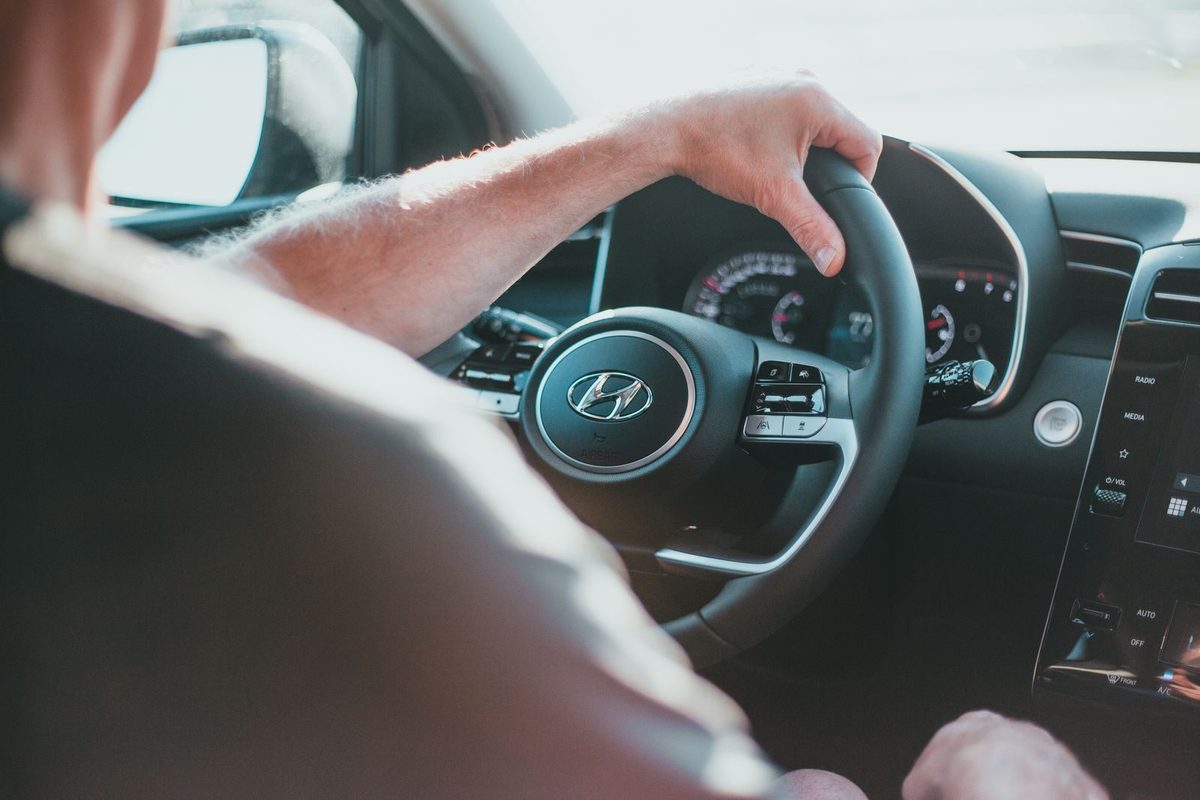
Someone learning to drive, or a parent booking for them, wants a few answers fast: do you teach in my area, what do lessons cost, can I book easily, and will the instructor be patient. A good driving school website answers those in seconds and makes booking the first lesson simple. Many learners are nervous, so calm and clear beats loud and salesy every time.
The site also handles the questions you field on the phone all week: do you do intensive courses, can I pay per lesson or as a block, do you cover the test centre near me, are you taking new pupils. Put those answers online and you spend less time texting back and more time teaching.
What every driving school website needs
Before design, get the practical pieces in place. These are what a new pupil looks for.
- The areas and test centres you cover, so learners know you teach near them.
- Clear lesson types and prices, from single lessons to blocks and intensives.
- An easy way to book or request a first lesson, with a phone number.
- Real instructor profiles: qualifications, and a friendly line about how they teach.
- Honest reviews from past pupils, which reassure far more than any claim.
Get those right and a nervous first-timer feels safe choosing you.
A simple structure that works
A short, clear set of pages beats a sprawling site that hides the booking button. Most driving schools do well with four or five:
- Home - the areas you cover, your lessons, and a clear way to book.
- Lessons and prices - each package explained, with prices.
- Instructors - who teaches, their qualifications and their approach.
- Book - a booking or enquiry form, plus your phone number.
- Areas covered - the towns and test centres you serve.
Keep a "book a lesson" link and a phone number in the header, so a keen learner never has to hunt for how to start.
Lay out lessons and packages clearly

The lessons page decides most bookings. List each option in plain terms - a single lesson, a block of ten, an intensive course, a refresher for rusty drivers, motorway confidence - with what it includes and the price. Learners and parents compare on price and clarity, so hiding it sends them to the school that shows theirs.
A few habits help learners choose:
- Show the price per lesson and any saving on a block, so the value is obvious.
- Say how long lessons are and whether you offer manual, automatic or both.
- Explain intensive courses plainly: what they suit, and roughly how they are paced.
- Note if you offer a discounted or free first lesson, a common first step for nervous learners.
Make booking a lesson simple
Booking is the point of the site, so make it the easiest thing on every page. If you use a booking system, connect it so a learner can pick a package and a time in a few taps. If not, a short enquiry form (name, phone, area, package, and whether they are a beginner) that reaches you instantly is a solid start. Reply the same day, because a keen learner who hears لا شيء books the next instructor on the list.
Make paying and rescheduling clear too. A plain note on how payment works, and a simple way to move a lesson, removes the friction that puts nervous beginners off booking in the first place.
Build trust with real instructors and honest results
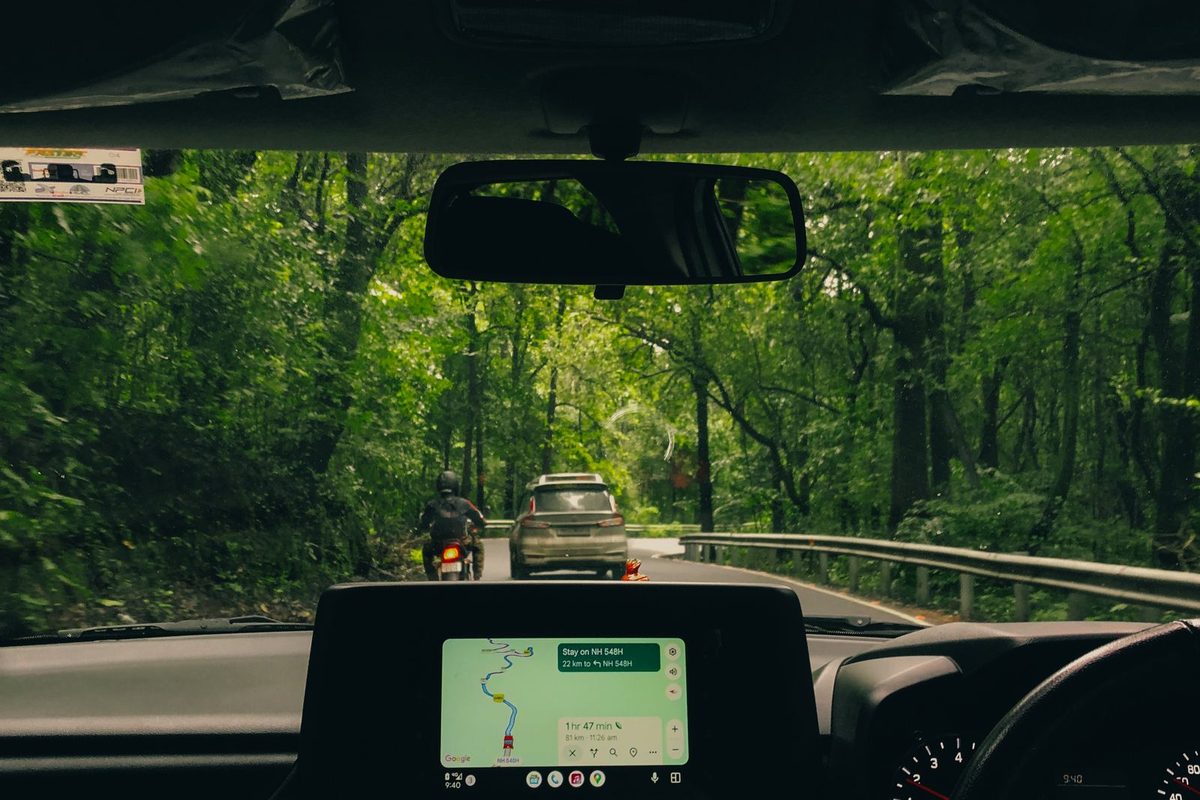
Learners are trusting you with their nerves and their money, so proof matters. Show real instructor profiles with qualifications and a warm line on how they teach, and honest reviews from named pupils. A patient instructor who a nervous learner clicks with is worth more than any slogan.
Be careful with numbers. Do not invent a pass rate or quote a statistic you cannot stand behind, because it undermines trust the moment a parent asks about it. Let genuine reviews and clear qualifications do the work instead. Honest and specific beats an impressive figure with لا شيء behind it.
Help learners beyond the lessons
A driving school website can do more than sell lessons; it can settle nerves and keep pupils coming back. A short page of honest guidance answers the questions that stop beginners from booking: what happens on a first lesson, how the theory and practical tests work, what to bring on the day, and how many lessons people usually need. Keep it plain and reassuring rather than a wall of rules.
This kind of page also earns search traffic from people who are not quite ready to book but soon will be. Point learners to the official sources for the theory test and for booking their practical, rather than reproducing the rules yourself. You do not need to cover everything, just show that you know the process inside out and will guide them through it. That quiet helpfulness is often what turns a nervous browser into a first booking, and a first booking into a full course.
Get found by local learners
A live site is a start. To reach people searching for lessons in your area, give the local signals they and Google look for.
- Put your area or test centre in the page title, the way people search: "driving lessons in Reading", not just "home".
- Claim your free Google Business الملف الشخصي and match the name, phone and area to your site.
- Add short pages for the towns and test centres you cover, so you rank for each.
- Ask pupils who passed to leave a review and reply to them, warmly and honestly.
These habits, plus a fast site that works on a phone, keep your diary full without spending on ads.
Fast and mobile, because that is how learners book
Almost every lesson enquiry starts on a phone, often a young learner or a busy parent. A page that takes six seconds to load loses them before the prices appear. Keep it light: a couple of well-sized photos rather than a heavy slideshow, readable prices, and a book button that never scrolls out of reach. Test it on your own phone, on mobile data, and if prices and booking are not obvious within ten seconds, fix that first.
Build your driving school website with Semalt AI
Between lessons and test days, there is no spare time to wrestle with a website builder. That is the gap Semalt fills. اوصف your school in a sentence and the AI builds a full site, with your lessons and prices, instructor profiles, the areas you cover and a booking form, ready to publish in minutes. When prices change or you add an instructor, you ask in chat and the site updates.
It is free to try, and you can go live on a Semalt address right away or add your own domain later. You can see a finished driving-school example, alongside other trades, on the examples page. النوع "a local driving school with lesson packages, prices, instructors and a booking form" and look at the first draft. You could be taking bookings by tomorrow.
